retatrutide mechanism of action research
Retatrutide Mechanism of Action in Metabolic Research
Research-framed overview of retatrutide pathway themes reported in metabolic literature.
Read article →Sales hotlinePriority sales — quotes within 24 hours
Retatrutide research peptide catalog hub for laboratories and institutional buyers—plus tirzepatide, tesamorelin, cagrilintide, and related GLP-1 class research materials with HPLC documentation and batch CoA. Research-use framing only; request a quote for pack size and documentation.
Research-grade SKUs linked from this hub. Review CoA fields before ordering.
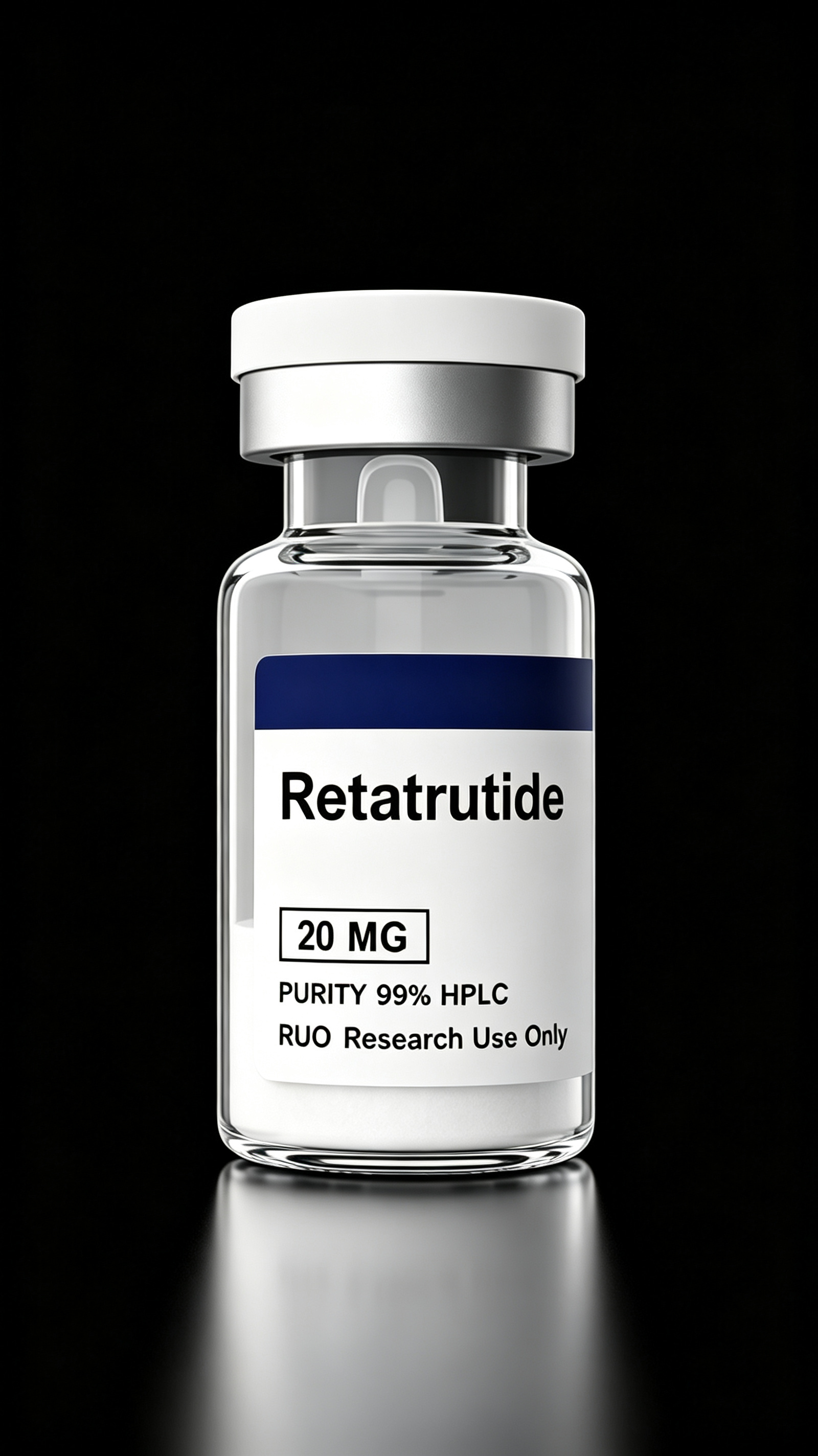
Metabolic Research Peptides
Triple agonist peptide for advanced metabolic research, available in research and GMP grades with custom fill weights.
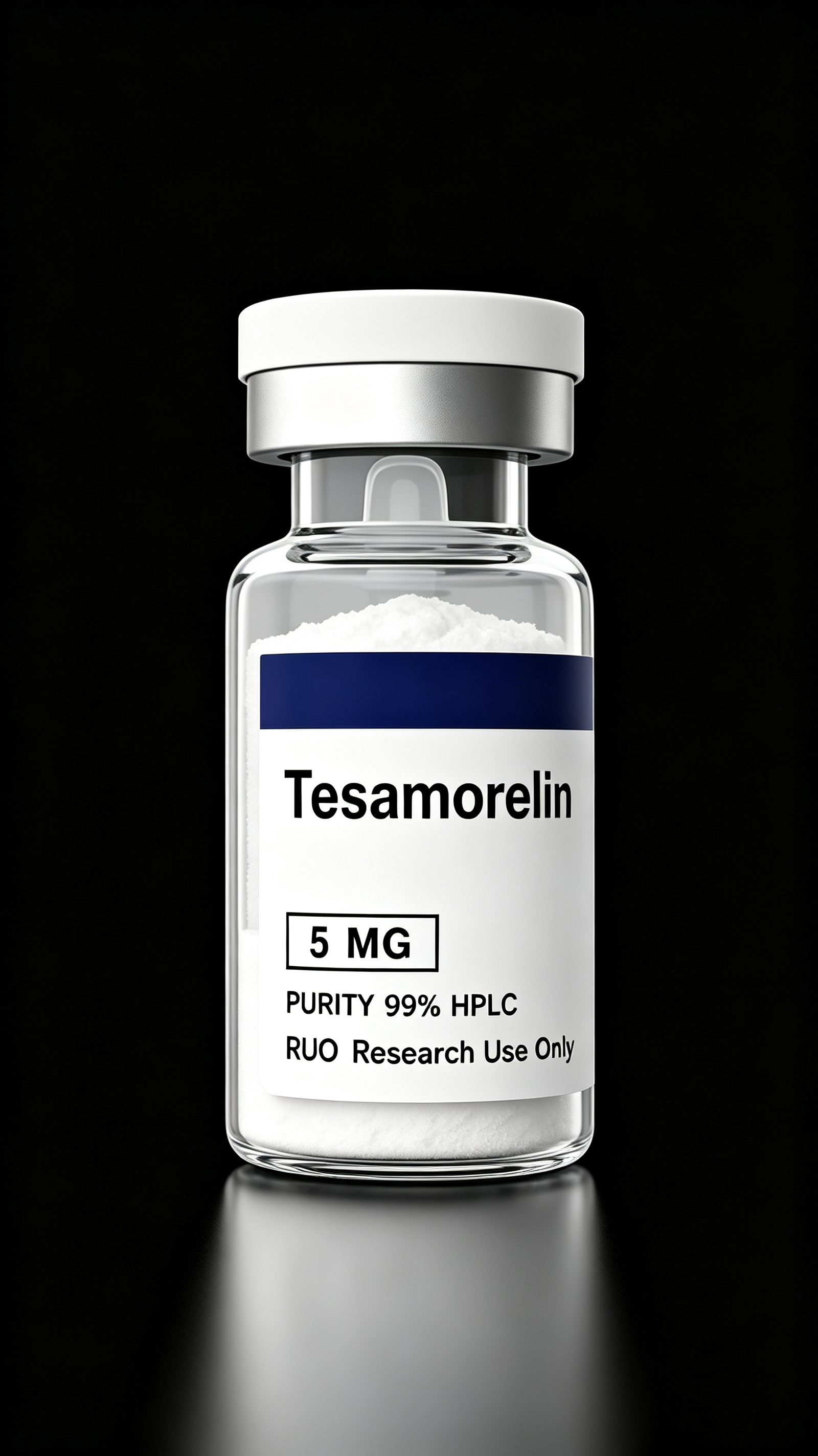
Growth & Hormone Peptides
Stabilized GHRH analog for lipodystrophy and body composition research, produced with peptide mapping verification.
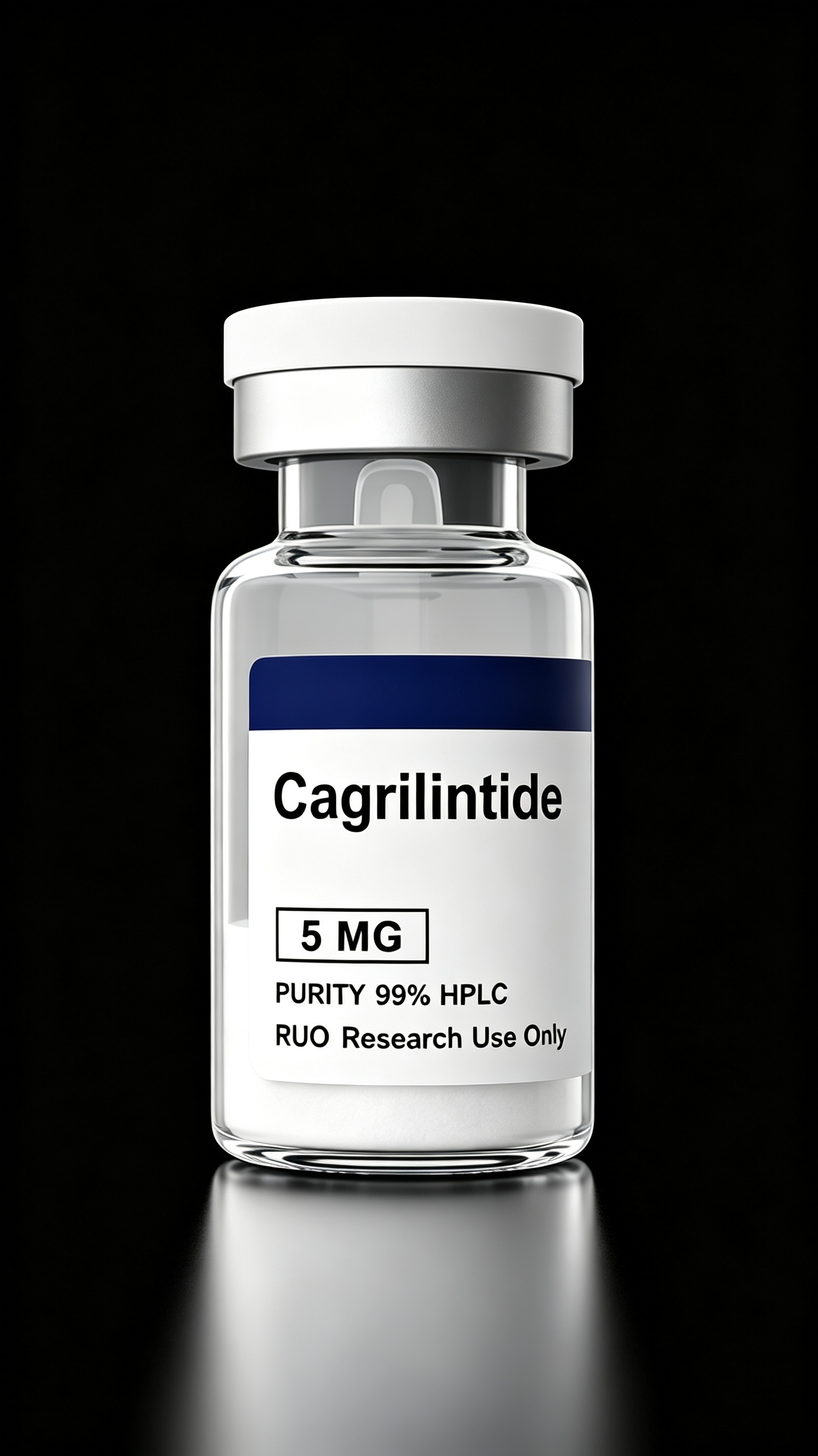
Metabolic Research Peptides
Long-acting amylin analog suitable for combination therapy studies alongside GLP-1 receptor agonists.
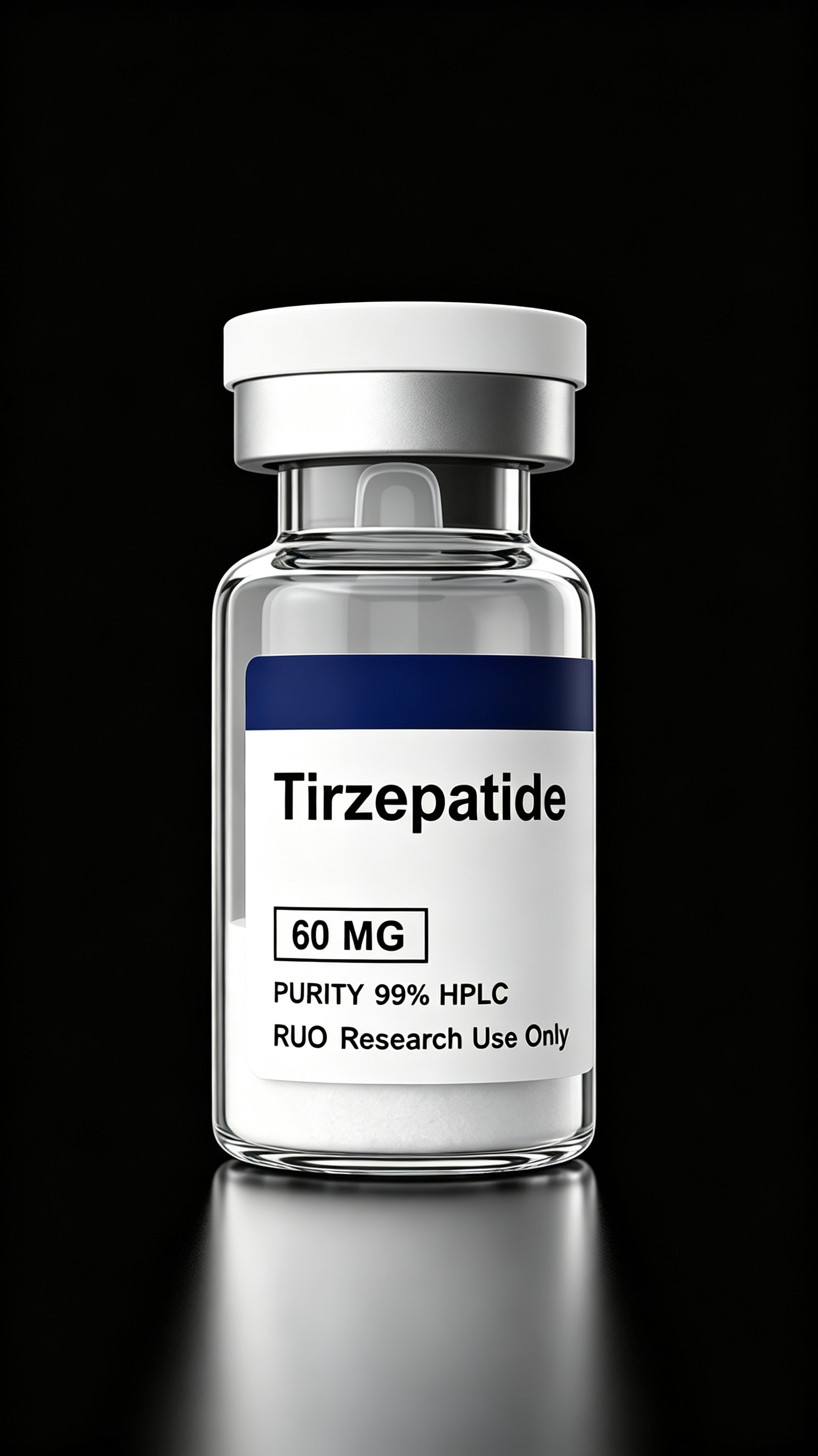
Metabolic Research Peptides
Dual GIP/GLP-1 receptor agonist produced at Helix Peptide GMP suites with HPLC and MS identity confirmation on every lot.

Metabolic Research Peptides
Helix Peptide supplies semaglutide API with full batch traceability and COA documentation for qualified pharmaceutical partners.
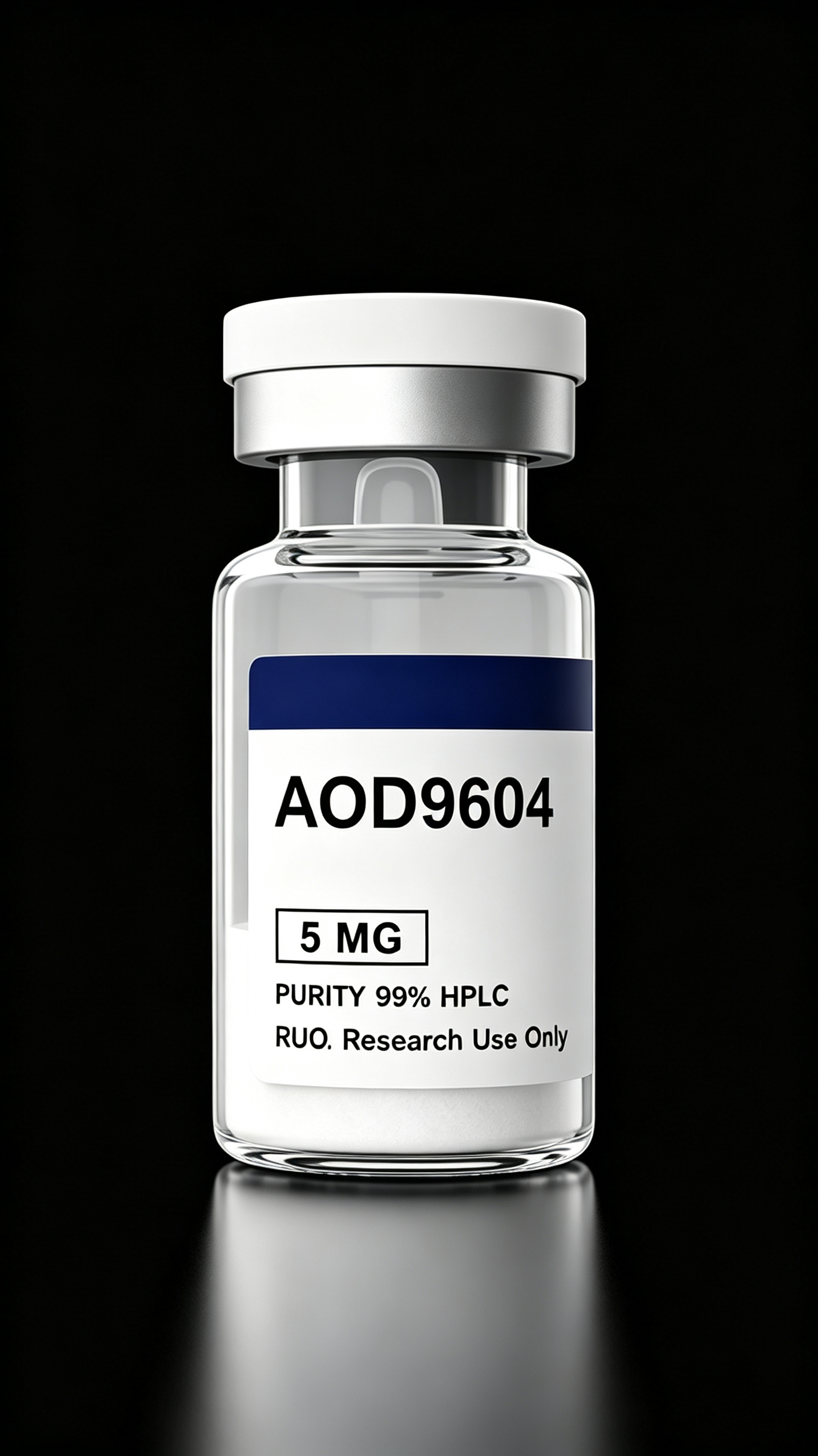
Metabolic Research Peptides
Fragment peptide derived from human growth hormone, synthesized with acetylation and amidation for enhanced stability.

Metabolic Research Peptides
Dual GLP-1 and glucagon receptor agonist for metabolic pathway research, supplied with full analytical characterization.
The metabolic research category spans two broad mechanism families. GLP-1-class multi-agonist sequences — retatrutide (tri-agonist), tirzepatide (dual GIP/GLP-1), semaglutide (GLP-1), and cagrilintide (amylin analog) — are studied for glucose and appetite pathway signaling in preclinical and clinical research literature. Separately, tesamorelin is a growth-hormone-releasing factor analog investigated in visceral adipose tissue models, and AOD-9604 is a modified fragment studied in lipolysis-related assays. These families should not be treated as interchangeable in protocol design.
For procurement, the key distinction is documentation of the exact construct: multi-agonist sequences differ in receptor profile, and analogs such as tesamorelin or AOD-9604 are distinct molecules that require their own identity verification. HPLC purity and mass confirmation on the lot CoA are the minimum acceptance checks for any metabolic research peptide.
Retatrutide is a tri-agonist research peptide reported to target GLP-1, GIP, and glucagon receptors, while tirzepatide is a dual GIP/GLP-1 agonist and semaglutide targets GLP-1 alone. Comparative studies in the metabolic literature frequently use these three to examine whether additional receptor engagement changes measured endpoints in model systems.
Buyers designing comparative assays should confirm three variables per lot: the exact sequence and any modifications (for example, fatty-acid conjugation affects solubility and assay compatibility), the HPLC purity, and the salt/counter-ion form. Because these molecules are structurally related, identity confirmation by mass is not optional — visual or label-only verification is insufficient for research-grade acceptance.
Metabolic research peptides are among the most frequently counterfeited catalog categories, which makes batch traceability the core of responsible sourcing. A defensible lot file includes: an HPLC chromatogram with purity integration, mass-spectrometry identity confirmation, batch number printed on the vial and matching the CoA, storage and stability statements, and a clear statement of research-only permitted use.
Helix Peptide publishes per-lot CoA documentation for every metabolic catalog SKU and makes the documentation available before purchase through the COA Reports flow. Buyers with institutional QA policies can request the full analytical package for the specific lot they intend to use in their protocol.
Articles written to reinforce collection keywords and deep-link back to this hub.
retatrutide mechanism of action research
Research-framed overview of retatrutide pathway themes reported in metabolic literature.
Read article →retatrutide vs tirzepatide research comparison
Documentation and model-design checkpoints when comparing multi-agonist research peptides.
Read article →tesamorelin visceral adipose tissue research
Why visceral-fat research intent is a useful procurement cluster for tesamorelin.
Read article →cagrilintide research peptide metabolic
How buyers position cagrilintide alongside other metabolic research SKUs.
Read article →buy tirzepatide research peptide
What qualified labs verify on HPLC and lot CoA before requesting tirzepatide research material.
Read article →tirzepatide HPLC purity research
HPLC vs assay, identity, and batch match when reviewing a tirzepatide research CoA.
Read article →Use laboratory and preclinical framing: researched for metabolic pathway studies, body-composition models, and related signaling endpoints—not consumer weight-loss promises.
Request CoA samples, pack sizes, and lead times for the SKUs in this collection.