بحث خلطة ghk cu bpc 157 tb 500
تركيب خلطة GLOW: GHK-Cu وBPC-157 وTB-500 في كتالوجات البحث
قراءة على مستوى المكوّنات لخلطات بأسلوب GLOW لمشتريات المختبر.
المقال يُنشر قريبًا
خط المبيعاتمبيعات ذات أولوية — عروض أسعار خلال 24 ساعة
مواد خلطات ببتيدات موجّهة للبحث تجمع تسلسلات ببتيد النحاس ودراسات الأنسجة مثل زخارف GHK-Cu وBPC-157 وTB-500، إضافة إلى وحدات SKU مركّبة ذات صلة بما في ذلك صيغ تحتوي على KPV لبروتوكولات المختبر.
وحدات بحثية مرتبطة بهذا المركز. راجعوا حقول شهادة التحليل قبل الطلب.
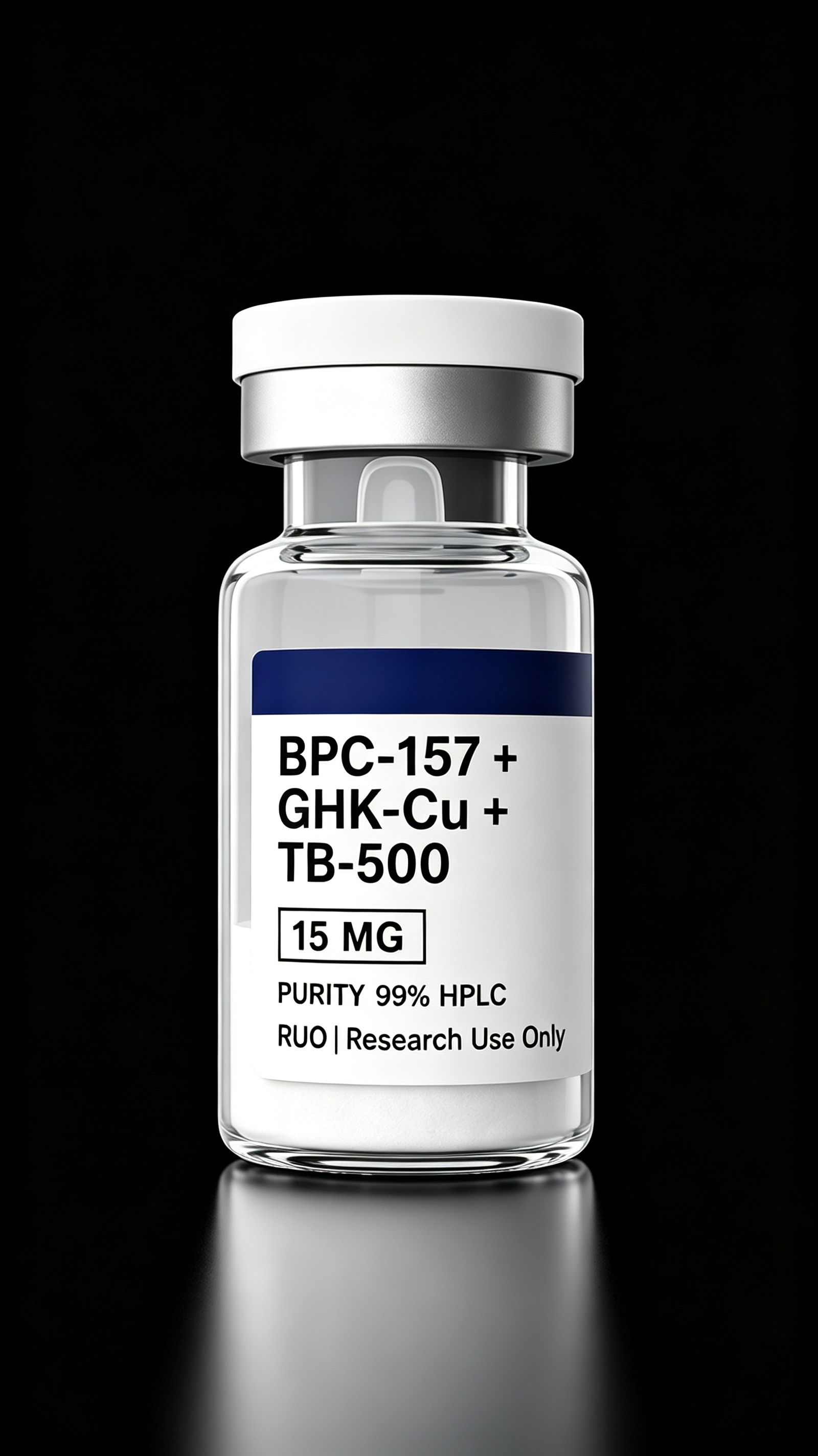
تركيبات مركّبة
مزيج خاص من GHK-Cu وBPC-157 وTB-500 لتطوير تركيبات تجديد الجلد.
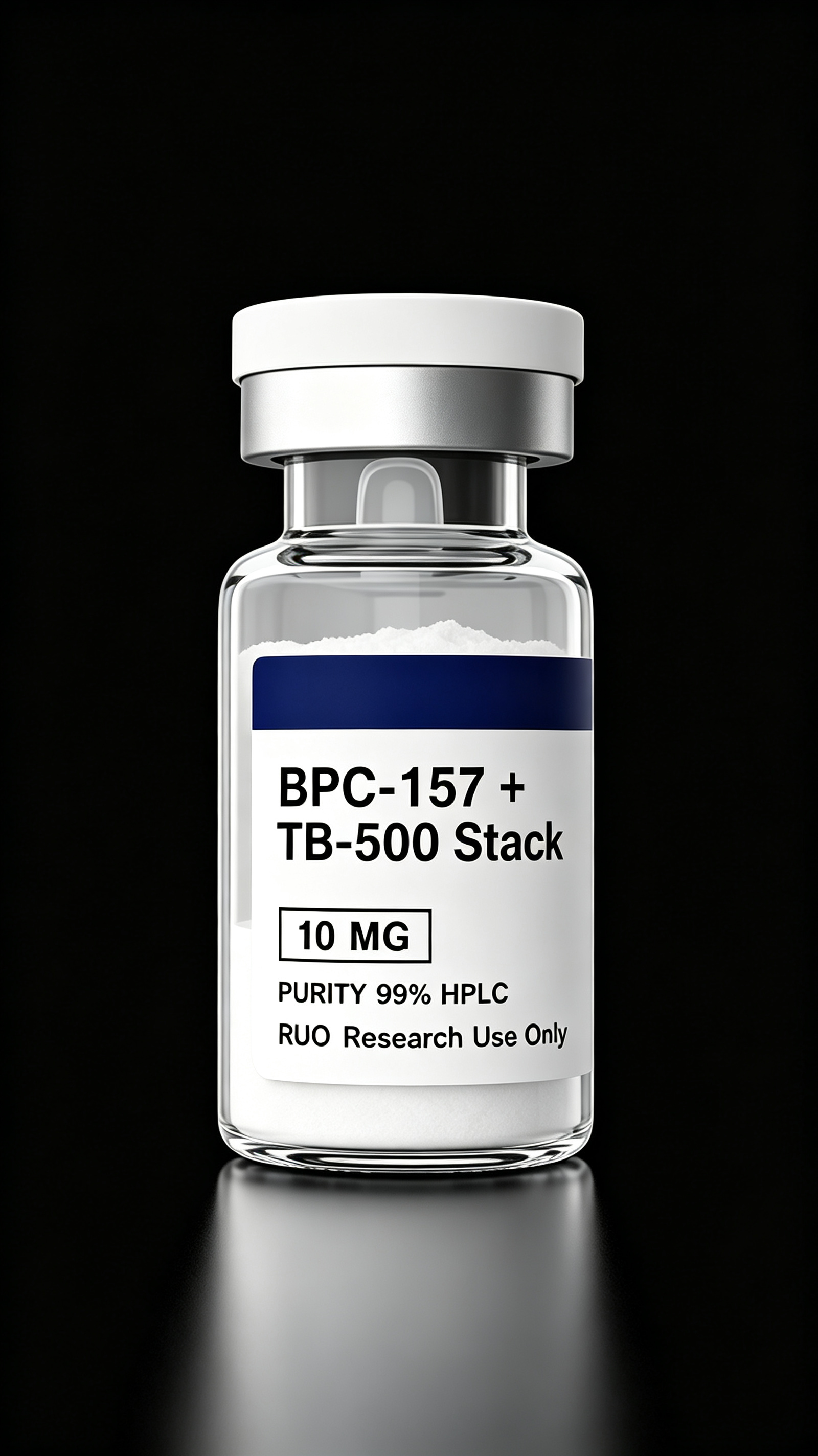
تركيبات مركّبة
تركيبة مسبقة الجرعة من BPC-157 وTB-500 بنسبة موثّقة لبروتوكولات أبحاث دراسة الأنسجة.
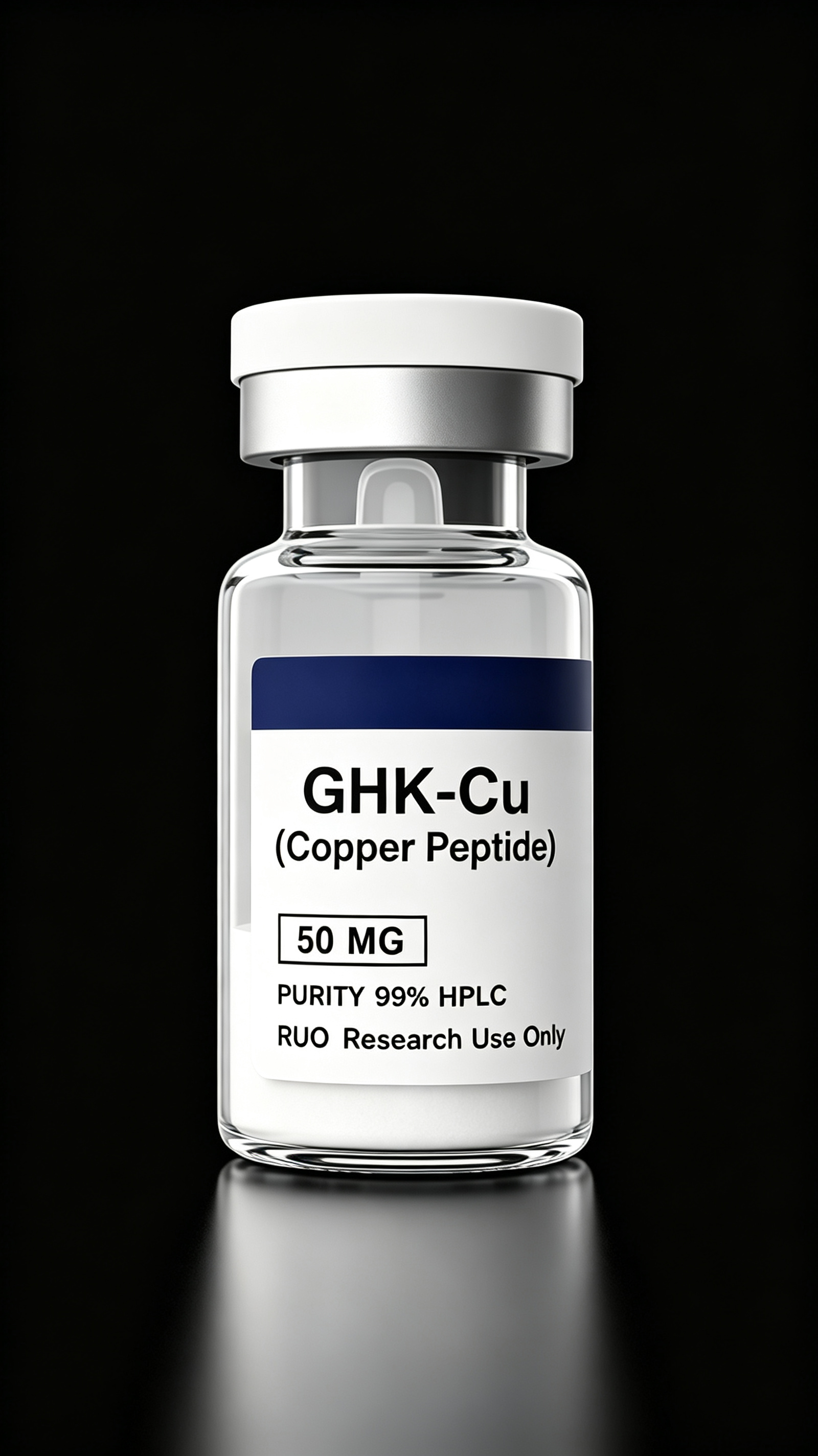
تسلسلات دراسة الأنسجة
معقّد ثلاثي الببتيد مرتبط بالنحاس مع تحقق من التخلّب لدراسات جلدية وتجميلية متقاطعة.
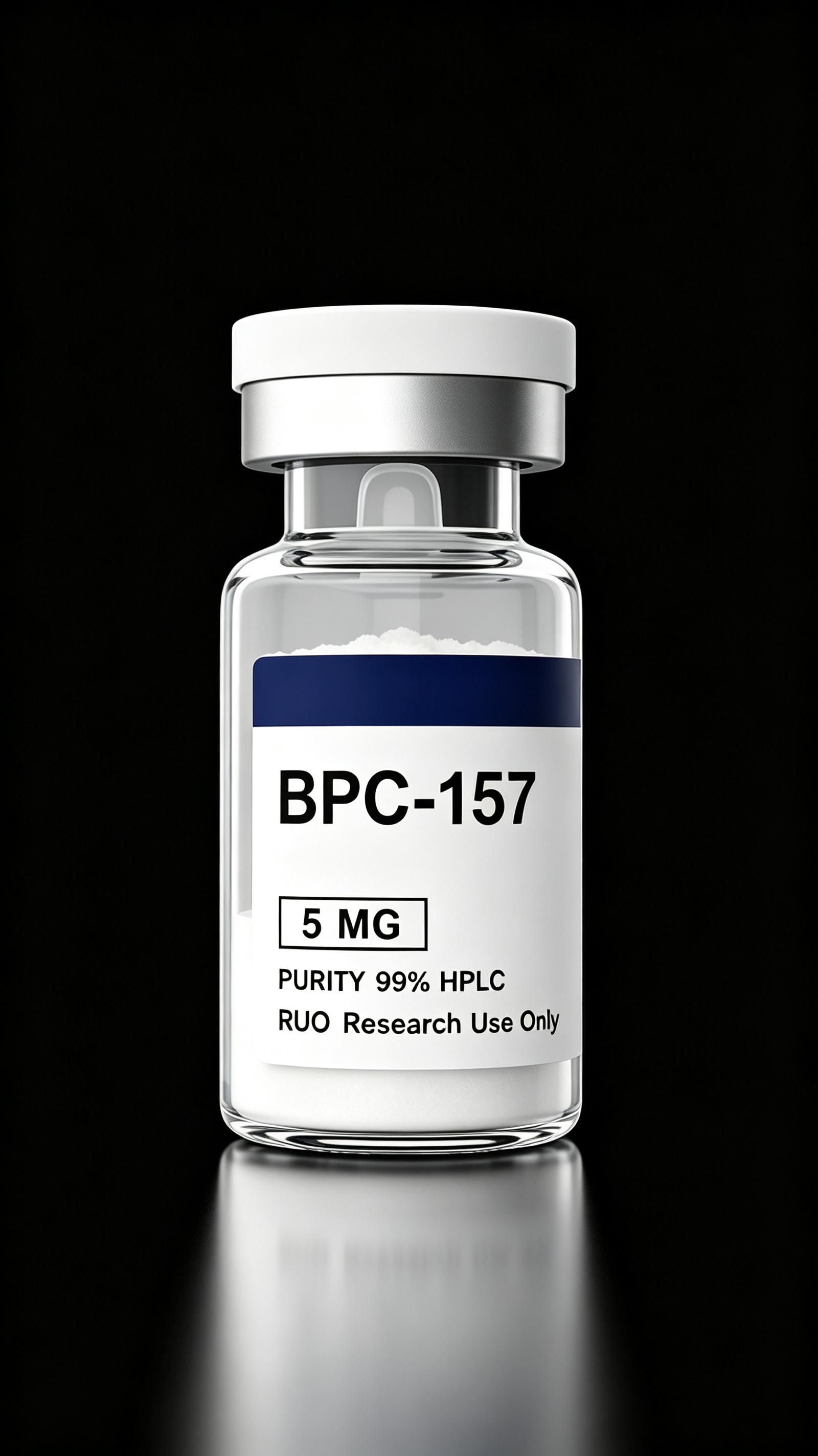
تسلسلات دراسة الأنسجة
ببتيد خماسي عشري واقي للجسم مُخلَّق تحت ضوابط صارمة للذيفان الداخلي لبرامج أبحاث دراسة الأنسجة.
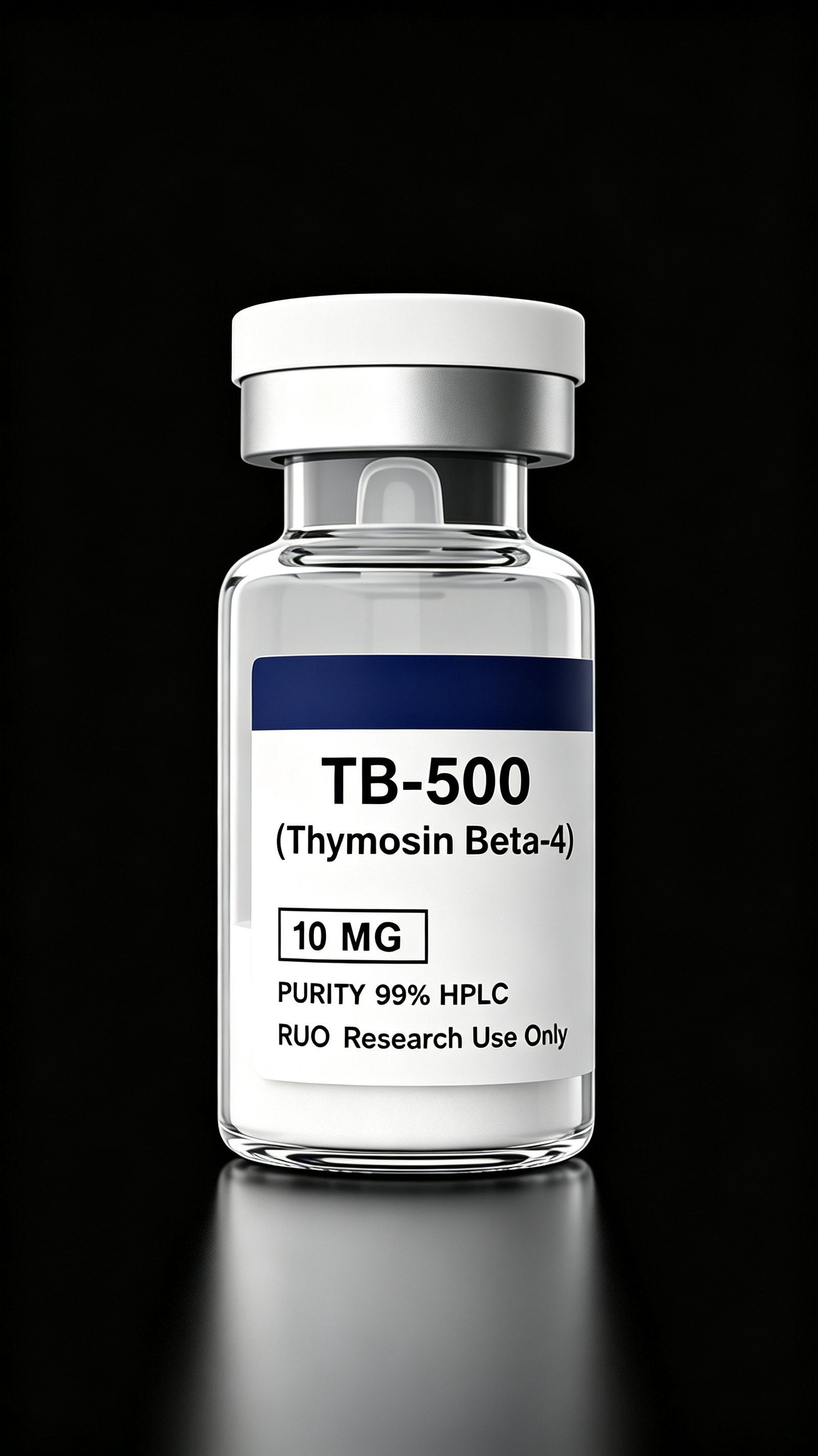
تسلسلات دراسة الأنسجة
جزء ببتيدي مرتبط بالأكتين يُدرَس في نماذج هجرة الخلايا في بيئات البحث قبل السريرية.
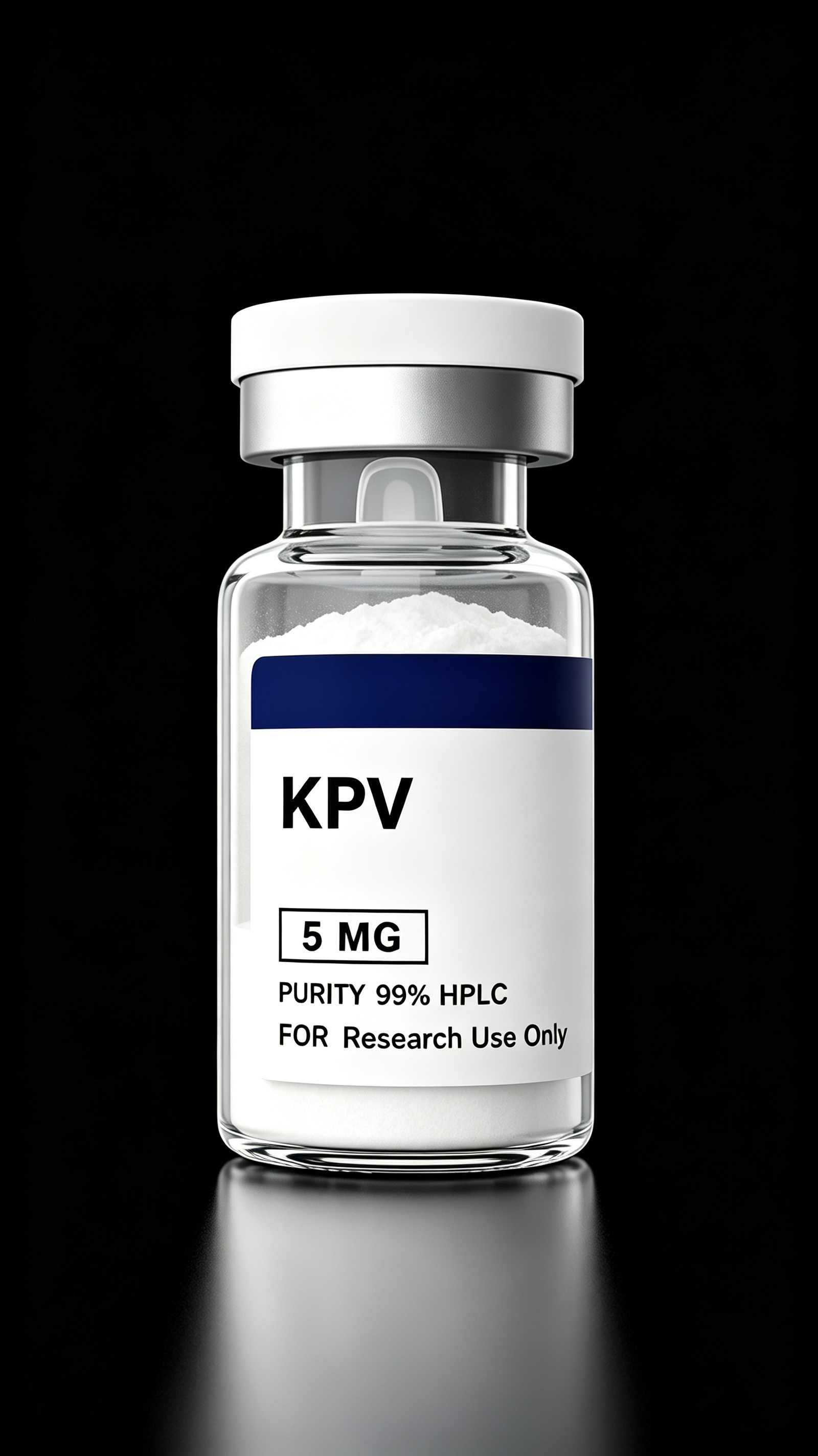
تسلسلات دراسة الأنسجة
جزء ثلاثي الببتيد من ألفا-MSH بنشاط مضاد للالتهاب موثَّق في نماذج بحث جلدية ومعوية.
GLOW-style research blends typically combine copper-peptide and tissue-study sequences — most commonly GHK-Cu with BPC-157 and TB-500 related motifs — into a single SKU for protocol convenience. Some catalogs also include KPV, a short anti-inflammatory motif peptide, in combination formulas. The value of a blend SKU is batch consistency: one lot number covers a fixed component set with a documented ratio, which simplifies multi-peptide protocols.
The analytical caveat is equally important: a blend CoA must state the identity and purity of every component, not just the total peptide content. Buyers should verify that each sequence in the blend is individually characterized and that the ratio matches the product label before designing experiments around it.
Peptide stacking in research settings refers to the deliberate combination of multiple peptides in one experimental design. The documentation-first approach treats the stack as a formal protocol: record each sequence and lot, the vehicle and concentration assumptions, the reconstitution timeline, and the specific endpoints each component is expected to address. This is what separates reproducible laboratory practice from social-media stack narratives.
For procurement, a stack SKU reduces the number of lots to track and can simplify stability documentation, but it also removes the flexibility to vary individual component ratios. Research teams that need dose-response control over each peptide should source individual constructs instead.
KPV (Lys-Pro-Val) is a short tripeptide investigated in preclinical inflammatory-pathway models and frequently discussed as a combination candidate alongside longer research peptides. Because it is a minimal sequence, its analytical profile (identity, purity, and endotoxin considerations for cell work) is straightforward to document on a per-lot CoA.
When KPV appears in a blend SKU, confirm the ratio relative to the other components and whether the blend is lyophilized as a co-lyo (single cake) or a physical mixture, since reconstitution behavior can differ. Helix Peptide's blend documentation states the component ratio and analytical method for each lot.
مقالات تعزّز كلمات المجموعة وتربط مجددًا بهذا المركز.
بحث خلطة ghk cu bpc 157 tb 500
قراءة على مستوى المكوّنات لخلطات بأسلوب GLOW لمشتريات المختبر.
المقال يُنشر قريبًا
بروتوكولات بحث peptide stacking
كيف توثّق المختبرات بروتوكولات متعددة الببتيدات دون الاعتماد على الضجيج الاجتماعي.
المقال يُنشر قريبًا
تركيبة بحث ببتيد kpv
أين يظهر KPV في مناقشات بحث التراكيب وما يجب التحقق منه في CoA.
المقال يُنشر قريبًا
في كتالوجات البحث، تجمع خلطات بأسلوب GLOW عادةً GHK-Cu مع تسلسلات مرتبطة بـ BPC-157 وTB-500 في SKU واحد لراحة البروتوكول. تحقّقوا دائماً من هوية ونقاء كل مكوّن في CoA الخلطة.
اطلبوا عينات شهادة التحليل وأحجام التعبئة وأوقات التسليم لوحدات هذه المجموعة.