ghk cu bpc 157 tb 500 blend forschung
GLOW-Blend-Zusammensetzung: GHK-Cu, BPC-157 und TB-500 in Forschungskatalogen
Komponentenbezogene Lesart von GLOW-ähnlichen Blends für die Laborbeschaffung.
Artikel erscheint in Kürze
VerkaufshotlinePriorisierter Vertrieb — Angebot innerhalb von 24 Stunden
Forschungsorientierte Peptidblend-Materialien, die Kupferpeptid- und Gewebestudien-Sequenzen wie GHK-Cu-, BPC-157- und TB-500-Motive kombinieren, zuzüglich verwandter Kombinations-SKUs einschließlich KPV-haltiger Formeln für Laborprotokolle.
Forschungs-SKUs aus diesem Hub. Prüfen Sie die CoA-Felder vor der Bestellung.
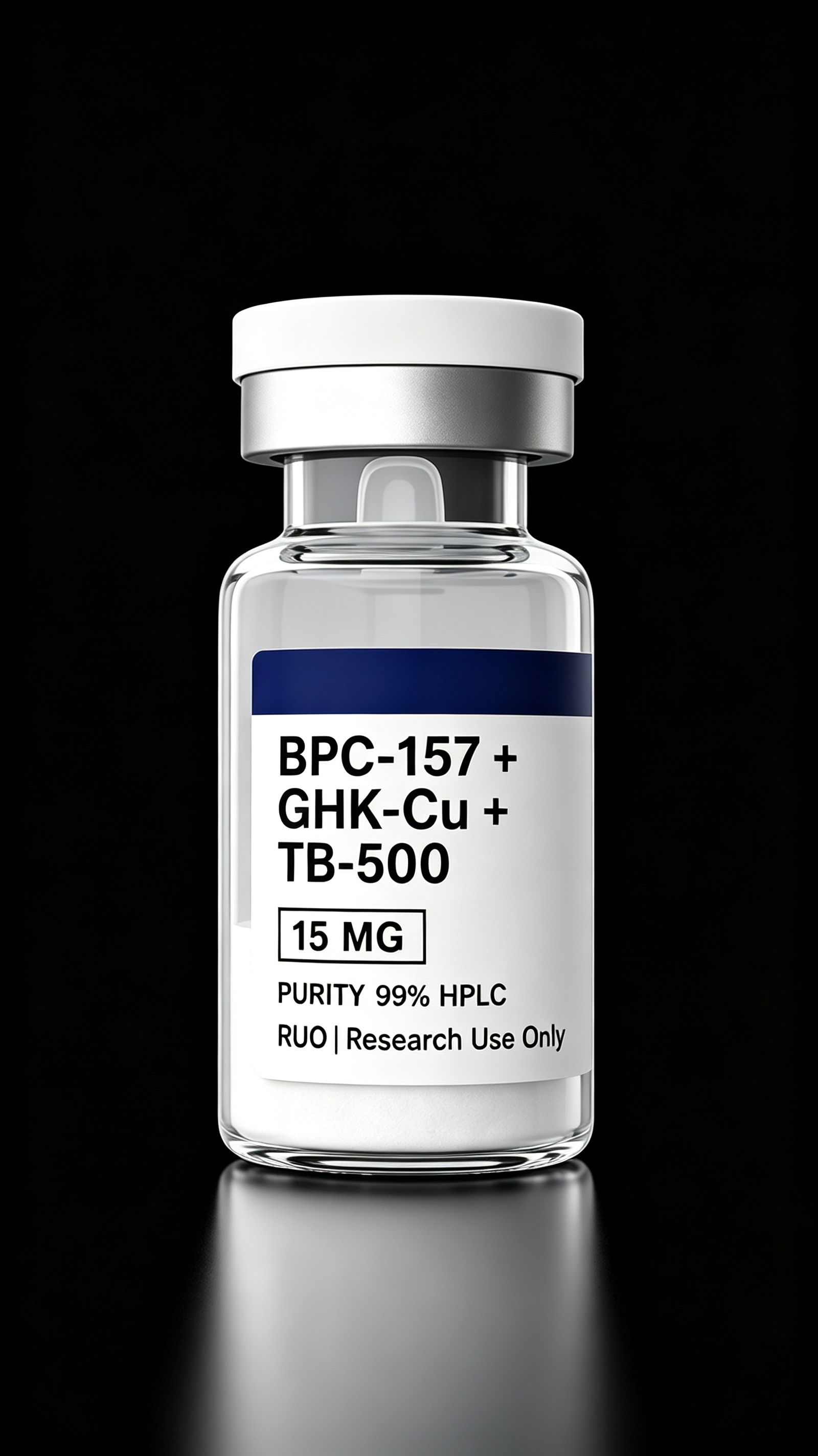
Kombinationsformeln
Proprietäre Mischung aus GHK-Cu, BPC-157 und TB-500 für die Entwicklung dermaler Rejuvenationsformulierungen.
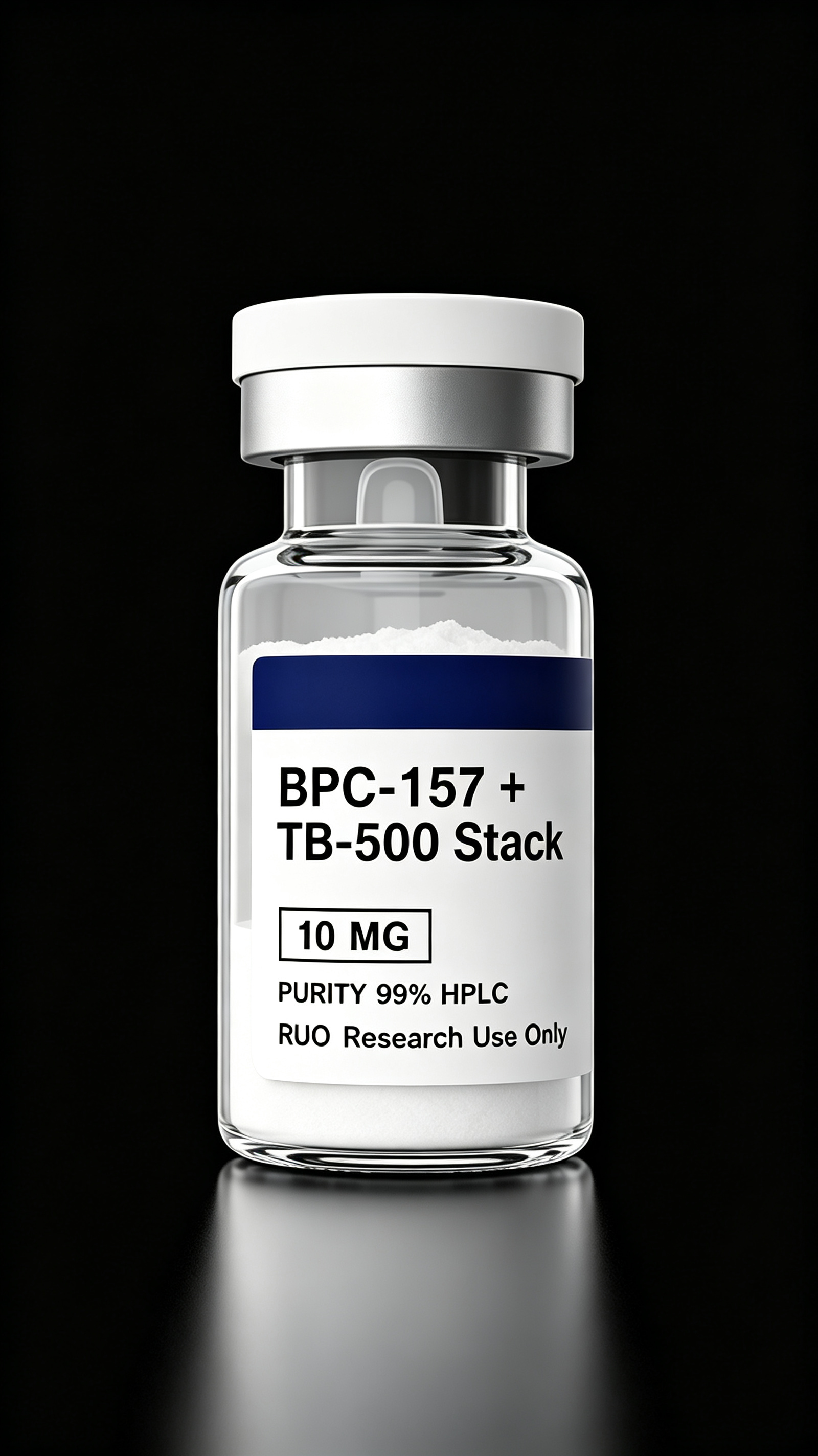
Kombinationsformeln
Vordosierte Kombination aus BPC-157 und TB-500 im dokumentierten Verhältnis für Gewebestudien-Protokolle.
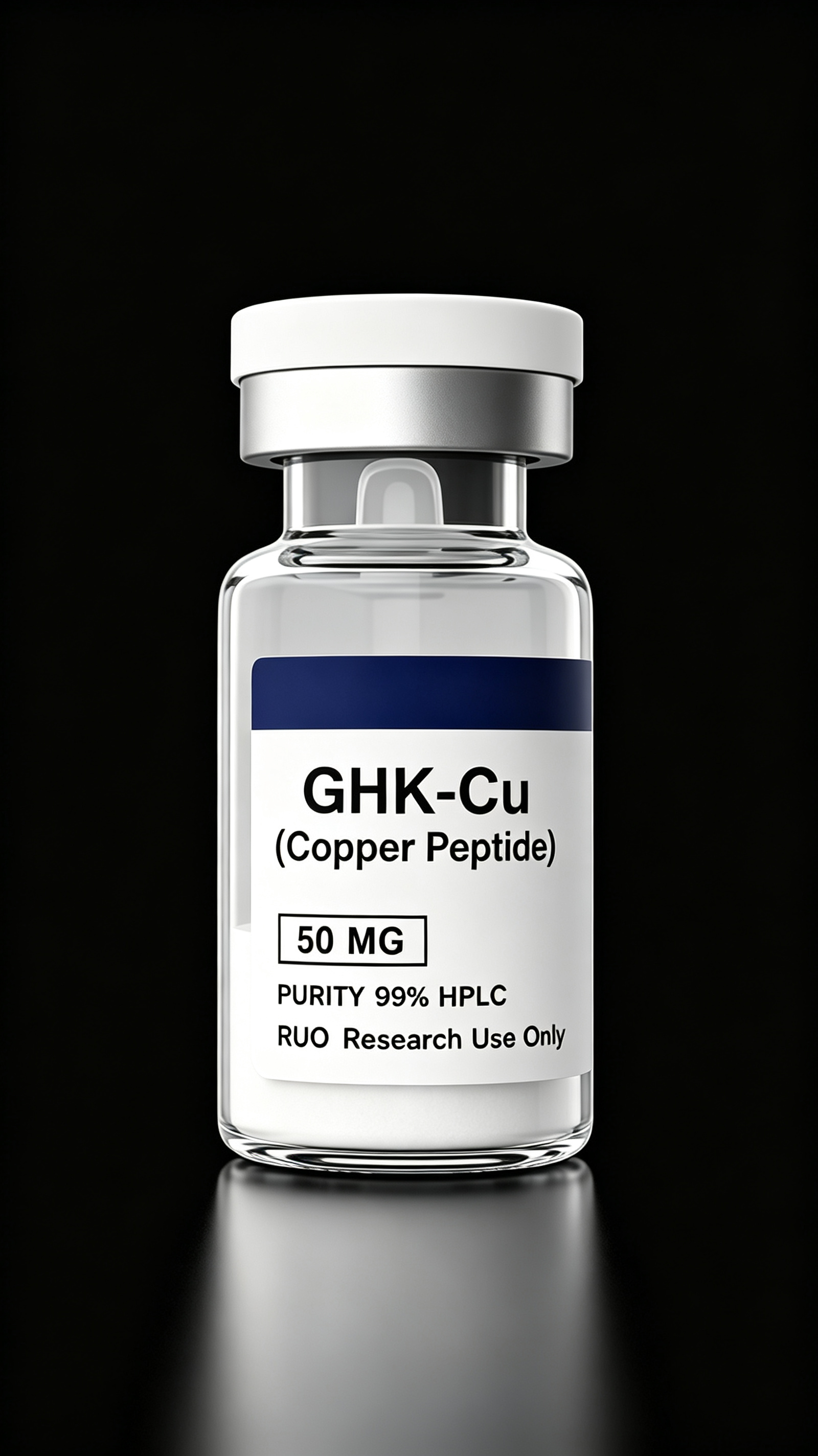
Gewebestudien-Sequenzen
Kupferbindender Tripeptidkomplex mit Chelat-Verifizierung für dermale und kosmetische Querschnittsstudien.
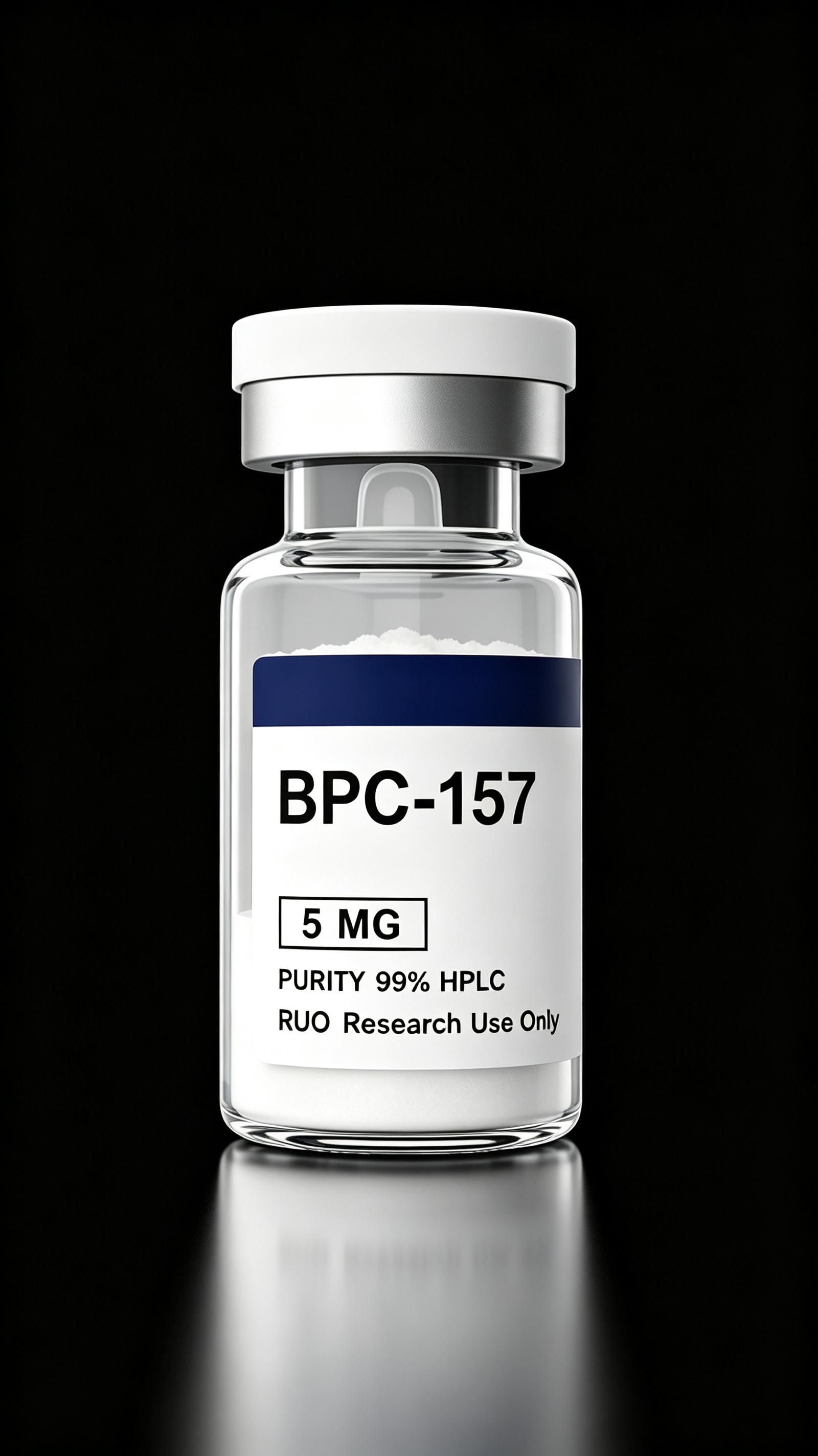
Gewebestudien-Sequenzen
Körper-Schutz-Pentadecapeptid unter strengen Endotoxin-Kontrollen für Gewebestudien-Forschungsprogramme.
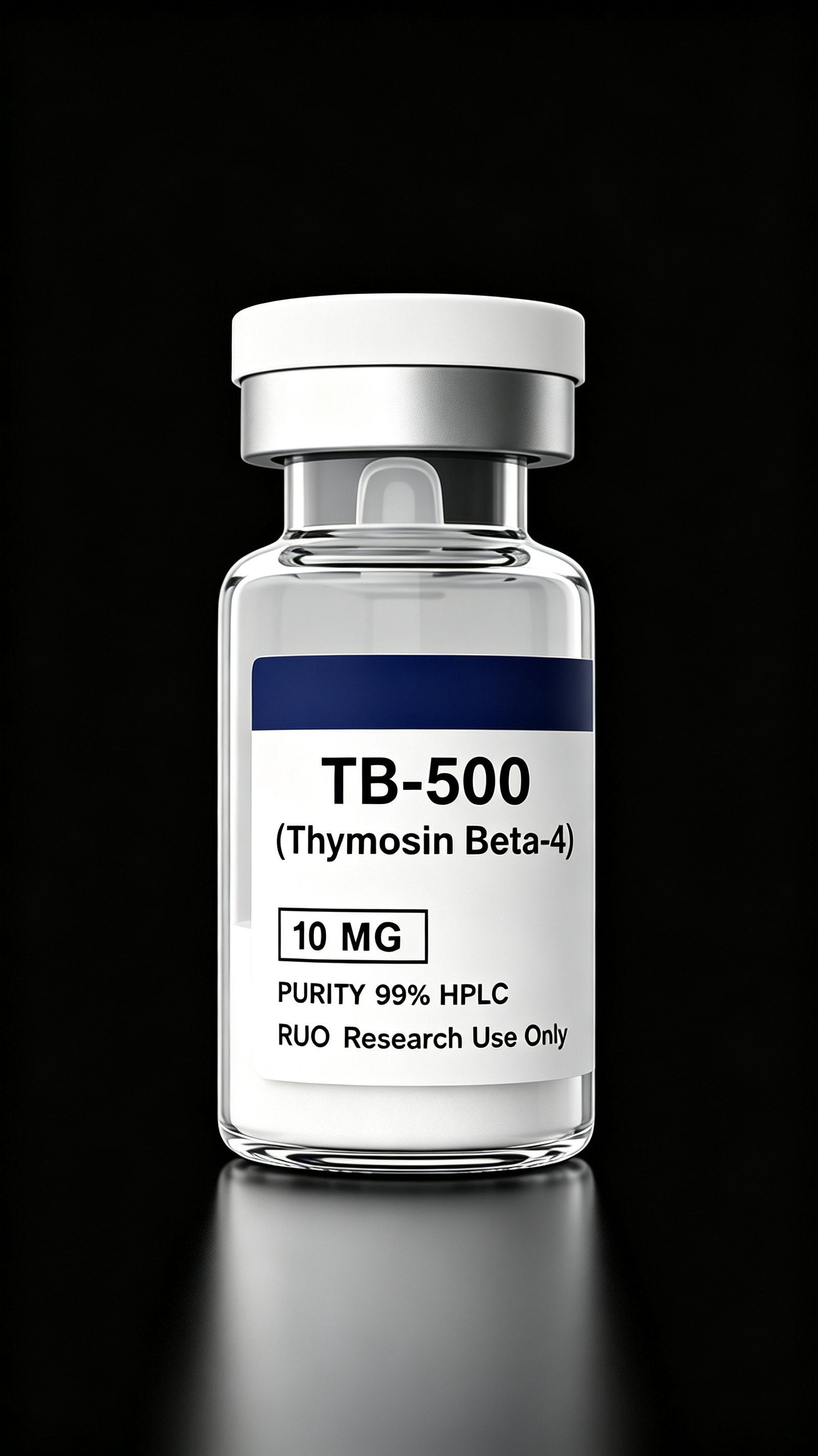
Gewebestudien-Sequenzen
Aktinbindendes Peptidfragment für Zellmigrationsmodelle in der präklinischen Forschung.
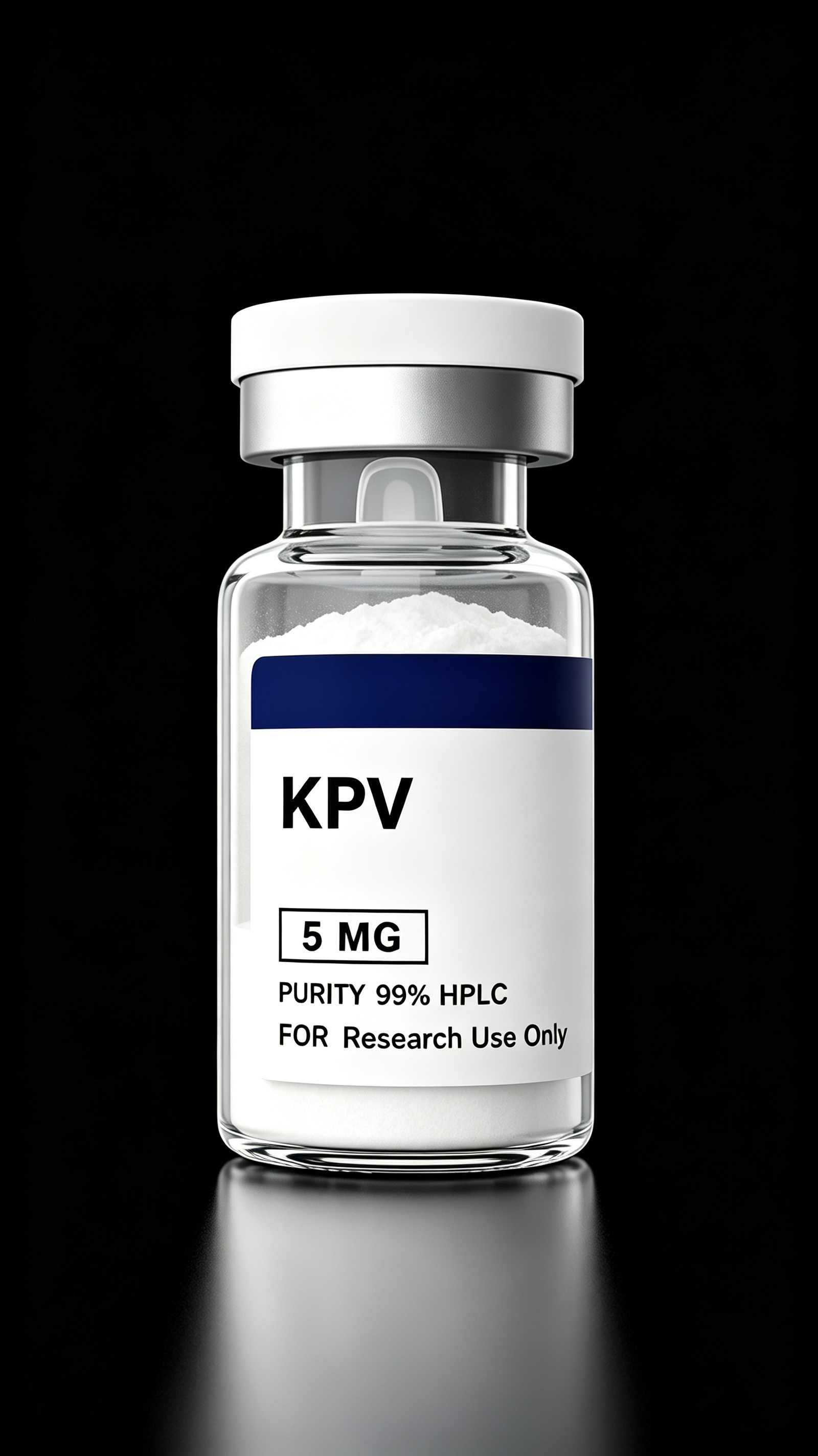
Gewebestudien-Sequenzen
Tripeptid-Fragment von alpha-MSH mit dokumentierter entzündungshemmender Aktivität in dermatologischen und intestinalen Modellen.
GLOW-style research blends typically combine copper-peptide and tissue-study sequences — most commonly GHK-Cu with BPC-157 and TB-500 related motifs — into a single SKU for protocol convenience. Some catalogs also include KPV, a short anti-inflammatory motif peptide, in combination formulas. The value of a blend SKU is batch consistency: one lot number covers a fixed component set with a documented ratio, which simplifies multi-peptide protocols.
The analytical caveat is equally important: a blend CoA must state the identity and purity of every component, not just the total peptide content. Buyers should verify that each sequence in the blend is individually characterized and that the ratio matches the product label before designing experiments around it.
Peptide stacking in research settings refers to the deliberate combination of multiple peptides in one experimental design. The documentation-first approach treats the stack as a formal protocol: record each sequence and lot, the vehicle and concentration assumptions, the reconstitution timeline, and the specific endpoints each component is expected to address. This is what separates reproducible laboratory practice from social-media stack narratives.
For procurement, a stack SKU reduces the number of lots to track and can simplify stability documentation, but it also removes the flexibility to vary individual component ratios. Research teams that need dose-response control over each peptide should source individual constructs instead.
KPV (Lys-Pro-Val) is a short tripeptide investigated in preclinical inflammatory-pathway models and frequently discussed as a combination candidate alongside longer research peptides. Because it is a minimal sequence, its analytical profile (identity, purity, and endotoxin considerations for cell work) is straightforward to document on a per-lot CoA.
When KPV appears in a blend SKU, confirm the ratio relative to the other components and whether the blend is lyophilized as a co-lyo (single cake) or a physical mixture, since reconstitution behavior can differ. Helix Peptide's blend documentation states the component ratio and analytical method for each lot.
Artikel, die Kollektions-Keywords stärken und zurück zu diesem Hub verlinken.
ghk cu bpc 157 tb 500 blend forschung
Komponentenbezogene Lesart von GLOW-ähnlichen Blends für die Laborbeschaffung.
Artikel erscheint in Kürze
peptid stacking forschungsprotokolle
Wie Labore Multipeptid-Protokolle dokumentieren, ohne sich auf Social-Hype zu stützen.
Artikel erscheint in Kürze
kpv peptid forschungskombination
Wo KPV in Kombinationsforschungsdiskussionen vorkommt und was im CoA zu prüfen ist.
Artikel erscheint in Kürze
In Forschungskatalogen kombinieren GLOW-ähnliche Blends typischerweise GHK-Cu mit BPC-157- und TB-500-bezogenen Sequenzen in einer SKU zur Protokollvereinfachung. Identität und Reinheit jeder Komponente stets im Blend-CoA prüfen.
Fordern Sie CoA-Muster, Packungsgrößen und Lieferzeiten für die SKUs dieser Kollektion an.