péptido de investigación bpc 157
Péptido de investigación BPC-157: lista de verificación documental del comprador
Qué verifican los laboratorios cualificados en CoA, identidad y almacenamiento antes de pedir BPC-157.
Artículo en publicación próxima
Línea de ventasVentas prioritarias — cotización en 24 h
BPC-157 es un pentadecapéptido sintético estable (C₆₂H₉₈N₁₆O₂₂, MW ~1,419.5 g/mol) derivado de una proteína protectora del jugo gástrico humano. TB-500 es un fragmento heptapéptido sintético (Ac-LKKTETQ-NH₂, MW ~802.9 g/mol) de Thymosin Beta-4. Ambos se investigan en modelos preclínicos por vías relacionadas con angiogénesis y mecanismos de señalización en estudios de tejido.
SKUs de grado investigación de este hub. Revise los campos CoA antes de pedir.
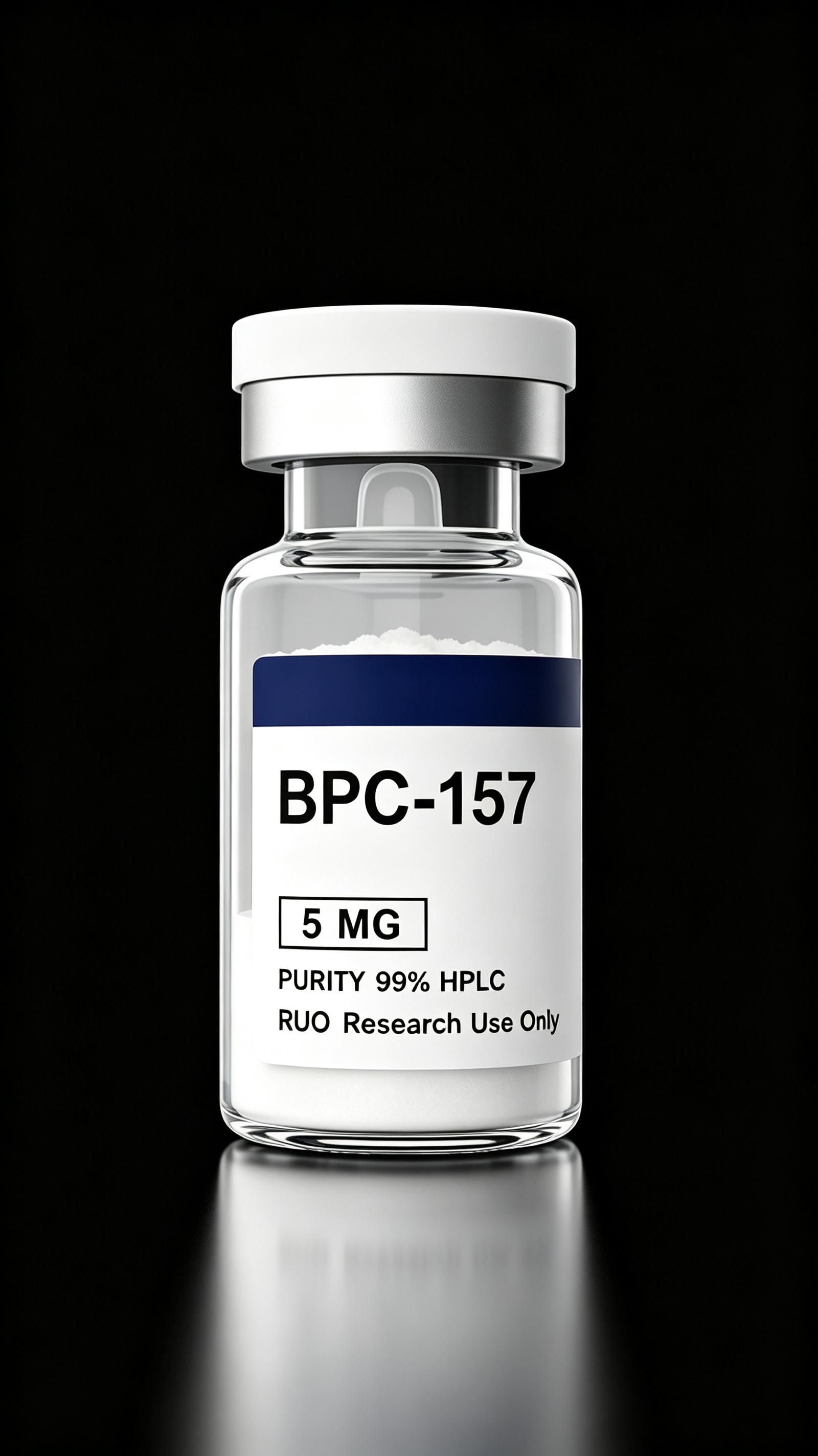
Secuencias de estudio de tejido
Pentadecapéptido de protección corporal sintetizado bajo estrictos controles de endotoxinas para programas de investigación de tejido.
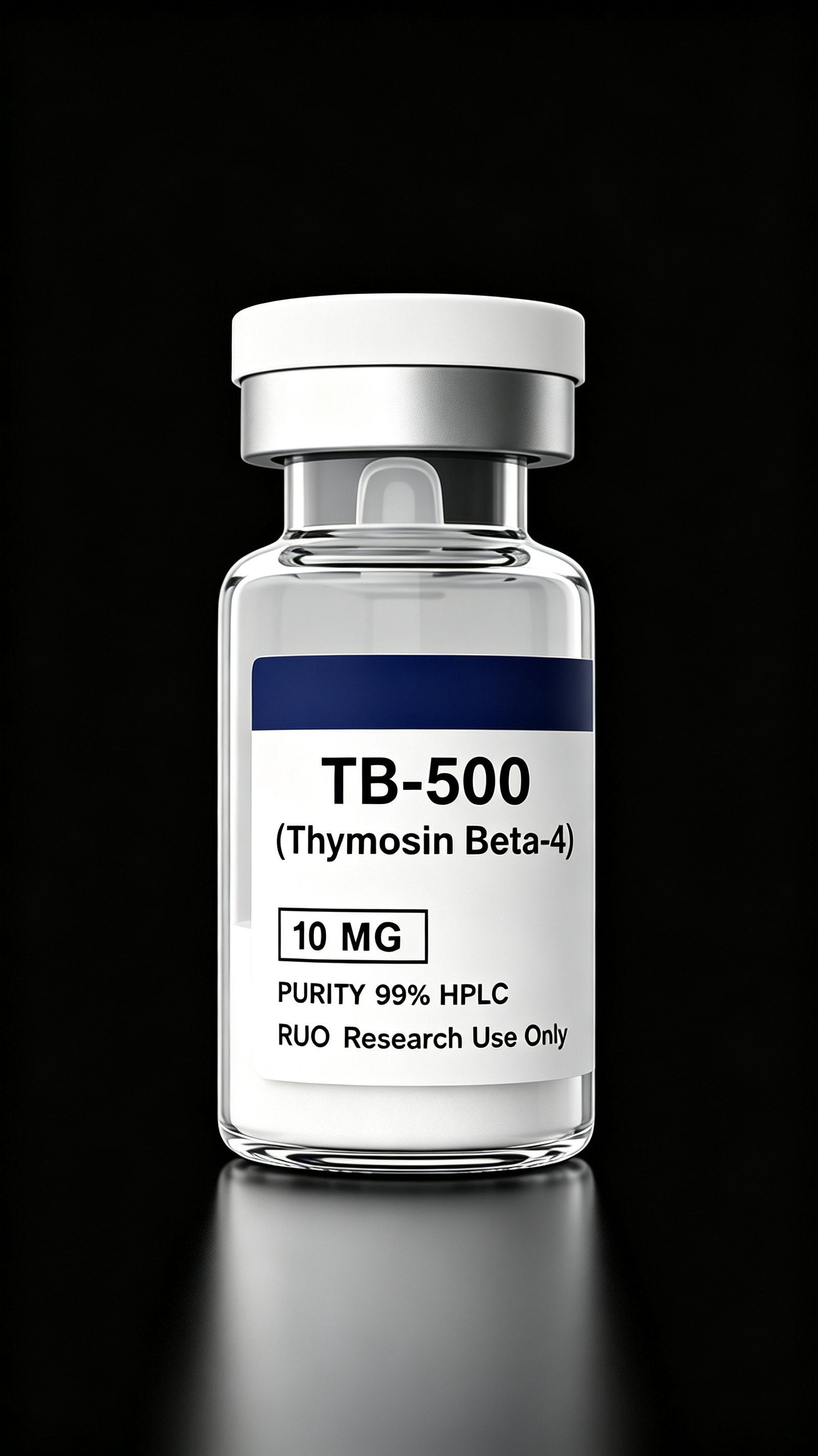
Secuencias de estudio de tejido
Fragmento peptídico de unión a actina estudiado en modelos de migración celular en entornos de investigación preclínica.
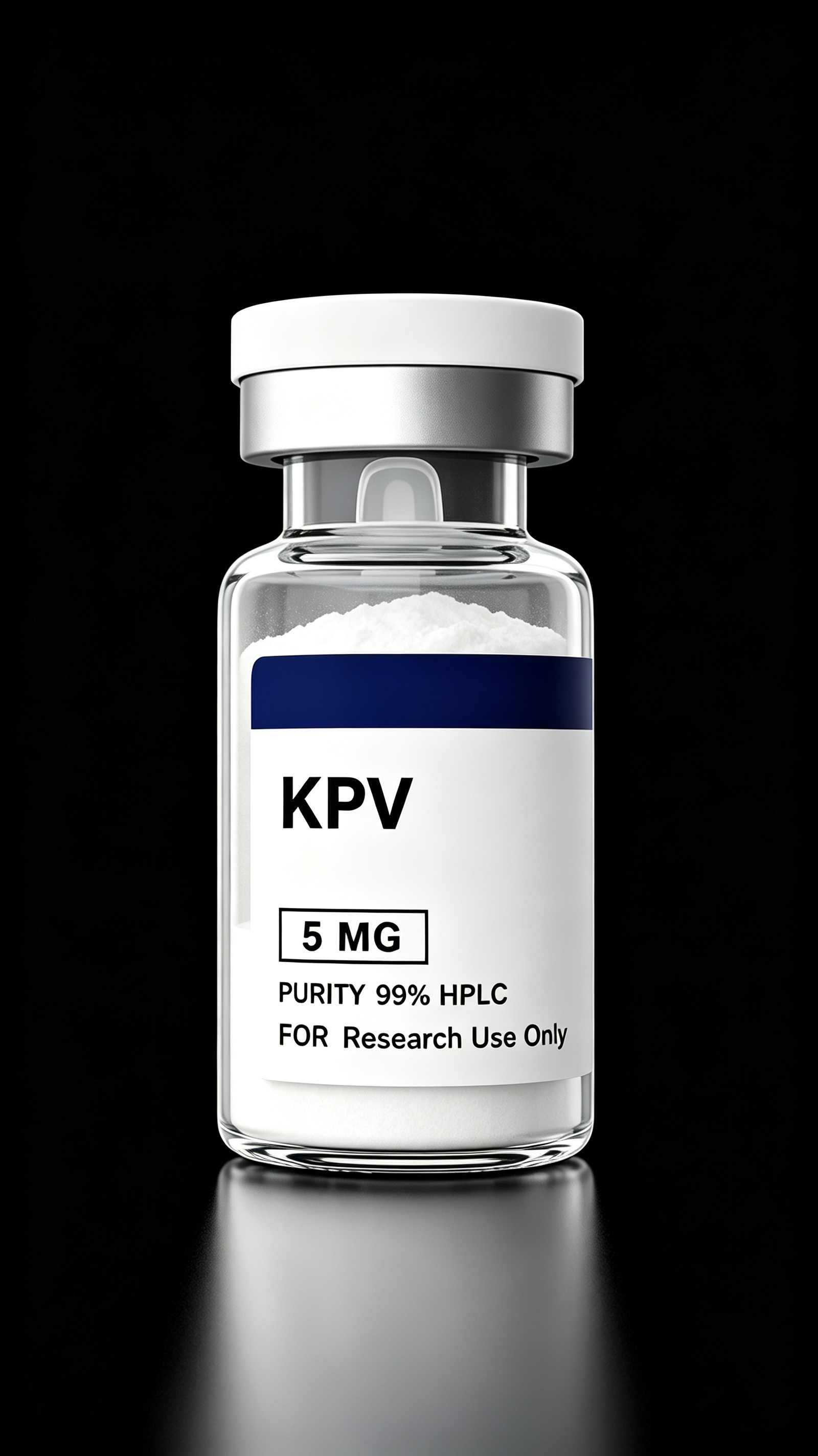
Secuencias de estudio de tejido
Fragmento tripéptido de alfa-MSH con actividad antiinflamatoria documentada en modelos de investigación dermatológica e intestinal.
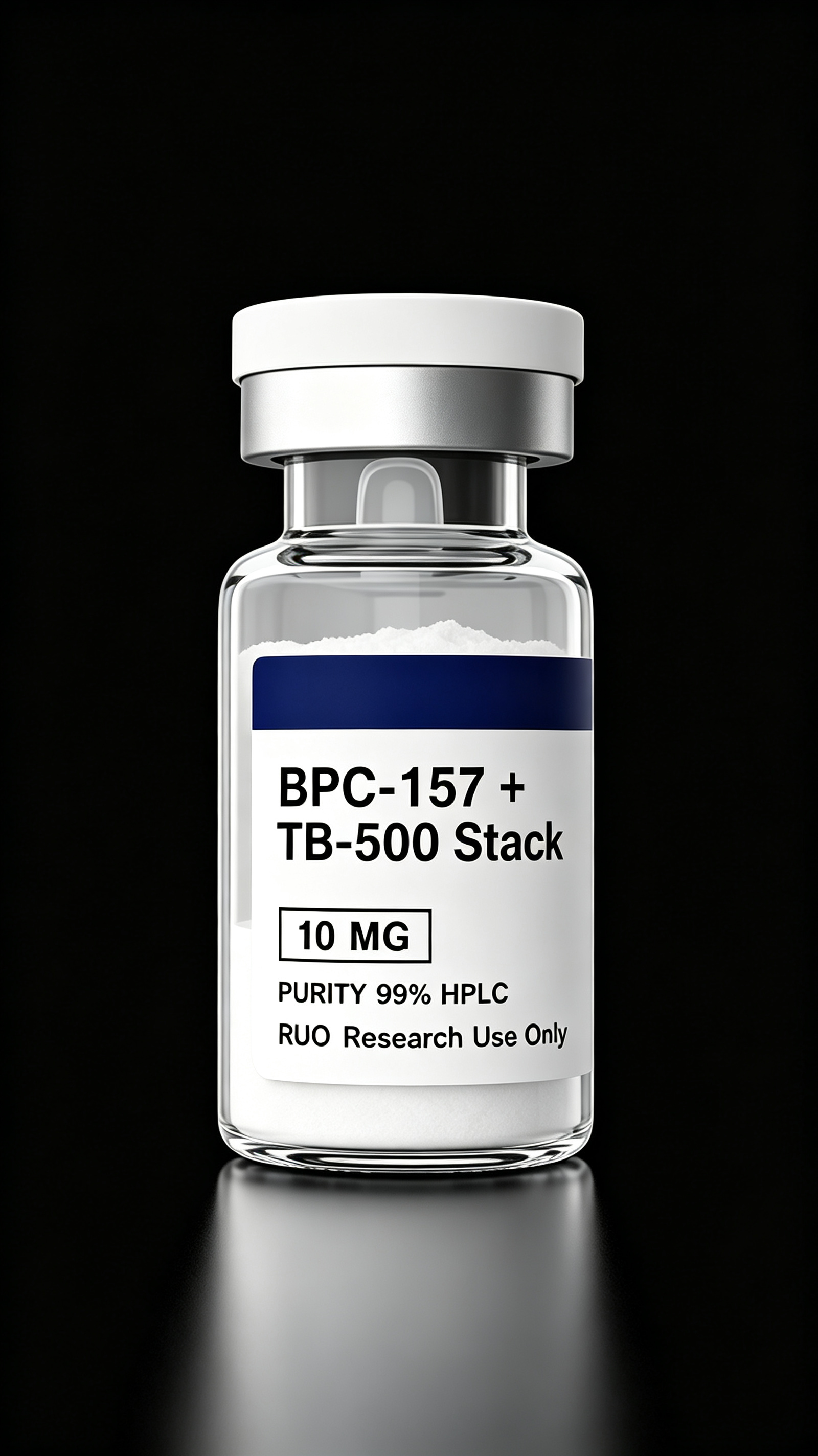
Fórmulas combinadas
Combinación predosificada de BPC-157 y TB-500 en proporción documentada para protocolos de investigación de tejido.
BPC-157 is a synthetic pentadecapeptide derived from a protective protein sequence found in human gastric juice, and it has been investigated in preclinical models for themes related to angiogenesis, tissue recovery, and signaling in injury models. TB-500 refers to a short synthetic fragment of Thymosin Beta-4 — most commonly the Ac-LKKTETQ-NH2 heptapeptide — studied for actin-binding related mechanisms. Because BPC-157 and TB-500 act through different reported pathways, combination research designs must document each construct independently.
Catalog buyers should be precise about which construct a vendor is supplying: full-length Thymosin Beta-4 (43 amino acids) is not interchangeable with the TB-500 fragment, and BPC-157 salts or acetate forms must be identified by the CoA. Sequence confirmation is the first checkpoint before any protocol work.
When sourcing BPC-157 or TB-500 for tissue and cell studies, the documentation package matters as much as the peptide itself. A complete lot file should include: an HPLC purity profile (commonly ≥95% as a research-grade baseline), identity confirmation by mass spectrometry or equivalent, the exact sequence and salt form, residual solvent and appearance checks, and a batch-specific CoA matching the lot number on the vial label.
Stability assumptions should also be documented: lyophilized peptides are typically stored cold and dry, protected from light and moisture, and reconstituted only under the laboratory's own SOP. Recording storage conditions at receipt protects the validity of downstream results and supports reproducibility reporting.
Multi-peptide research protocols that combine BPC-157 with TB-500 (sometimes described as stacks) require the same documentation rigor as any combination study. Each component should have its own CoA, lot traceability, and reconstitution record, because batch variations in either construct can confound the experimental interpretation.
Helix Peptide offers both individual BPC-157 and TB-500 lots as well as a pre-mixed stack SKU for protocol convenience. For the pre-mixed SKU, the CoA documents component identity and ratio per lot — buyers designing dose-response or pathway studies should confirm the supplied ratio matches their protocol assumptions before ordering.
Artículos que refuerzan las palabras clave de la colección y enlazan a este hub.
péptido de investigación bpc 157
Qué verifican los laboratorios cualificados en CoA, identidad y almacenamiento antes de pedir BPC-157.
Artículo en publicación próxima
investigación tb 500 thymosin beta 4
Encuadre fragmento vs longitud completa y puntos de control analíticos para lotes de investigación de TB-500.
Artículo en publicación próxima
bpc 157
Lot documentation and storage checkpoints institutional buyers use for BPC-157 research material.
Artículo en publicación próxima
BPC-157 se describe comúnmente como C₆₂H₉₈N₁₆O₂₂ con un peso molecular aproximado de ~1,419.5 g/mol. Confirme los valores exactos del lote en el CoA de su material de investigación.
Solicite muestras de CoA, formatos y plazos para los SKUs de esta colección.