pesquisa blend ghk cu bpc 157 tb 500
Composição do blend GLOW: GHK-Cu, BPC-157 e TB-500 em catálogos de pesquisa
Leitura em nível de componentes de blends no estilo GLOW para aquisição em laboratório.
Artigo em breve
Linha de vendasVendas prioritárias — orçamento em 24 h
Materiais de blends de peptídeos orientados à pesquisa combinando sequências de peptídeo de cobre e de estudo de tecido como motivos GHK-Cu, BPC-157 e TB-500, além de SKUs de combinação relacionados, incluindo fórmulas com KPV para protocolos de laboratório.
SKUs de grau pesquisa deste hub. Revise os campos CoA antes de pedir.
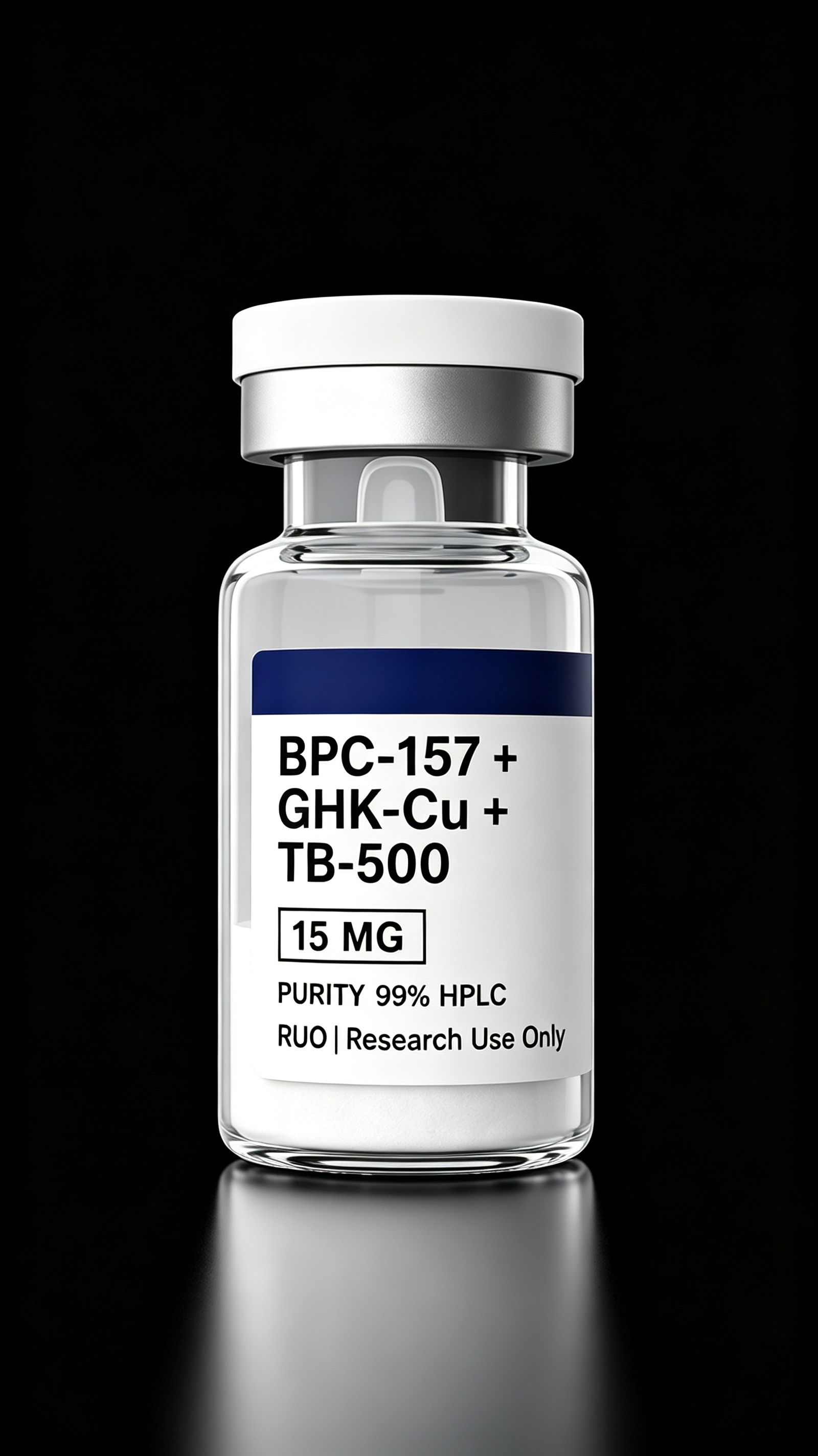
Fórmulas combinadas
Mistura proprietária de GHK-Cu, BPC-157 e TB-500 para desenvolvimento de formulações de rejuvenescimento dérmico.
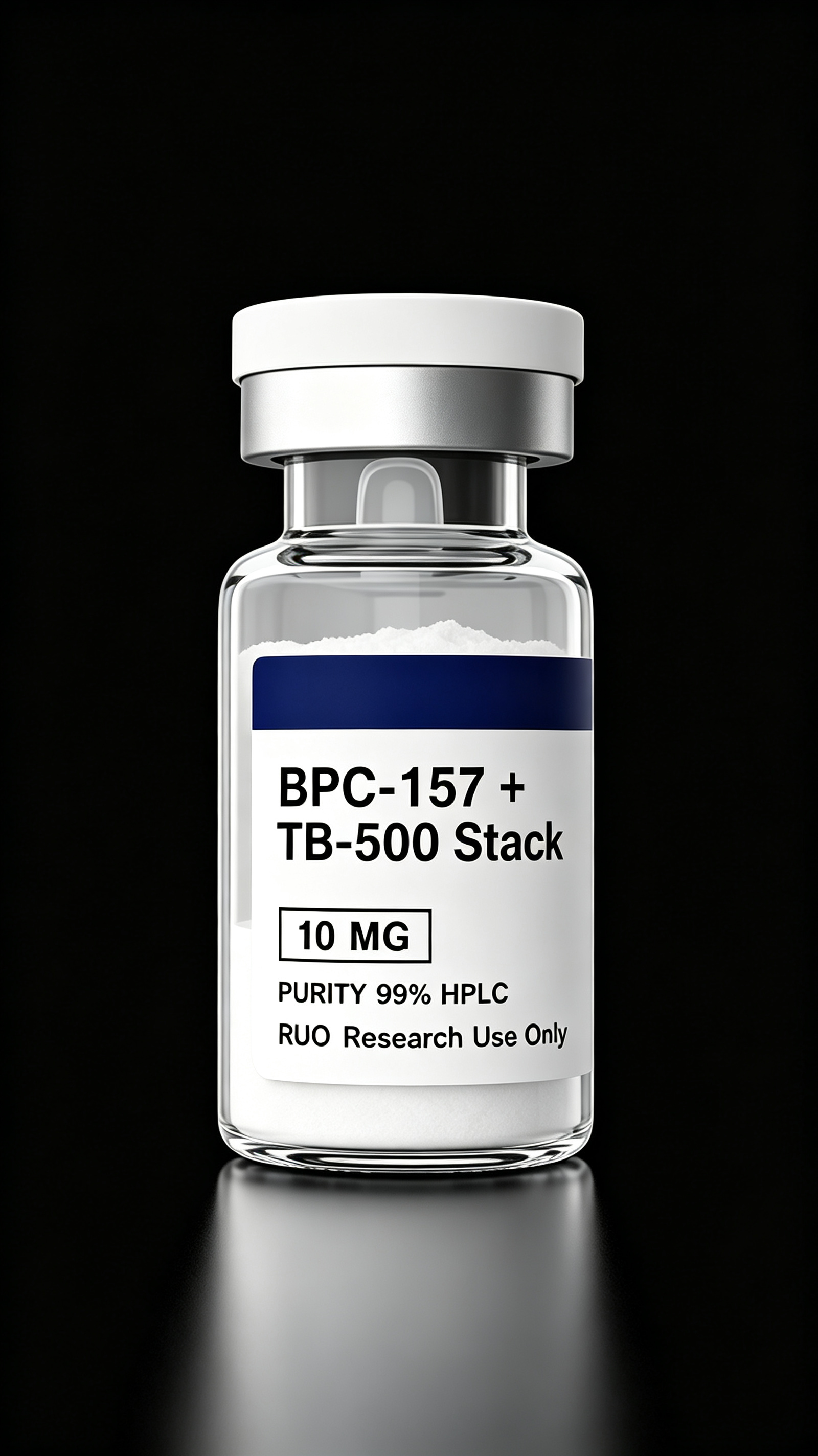
Fórmulas combinadas
Combinação pré-dosada de BPC-157 e TB-500 em proporção documentada para protocolos de pesquisa de tecido.
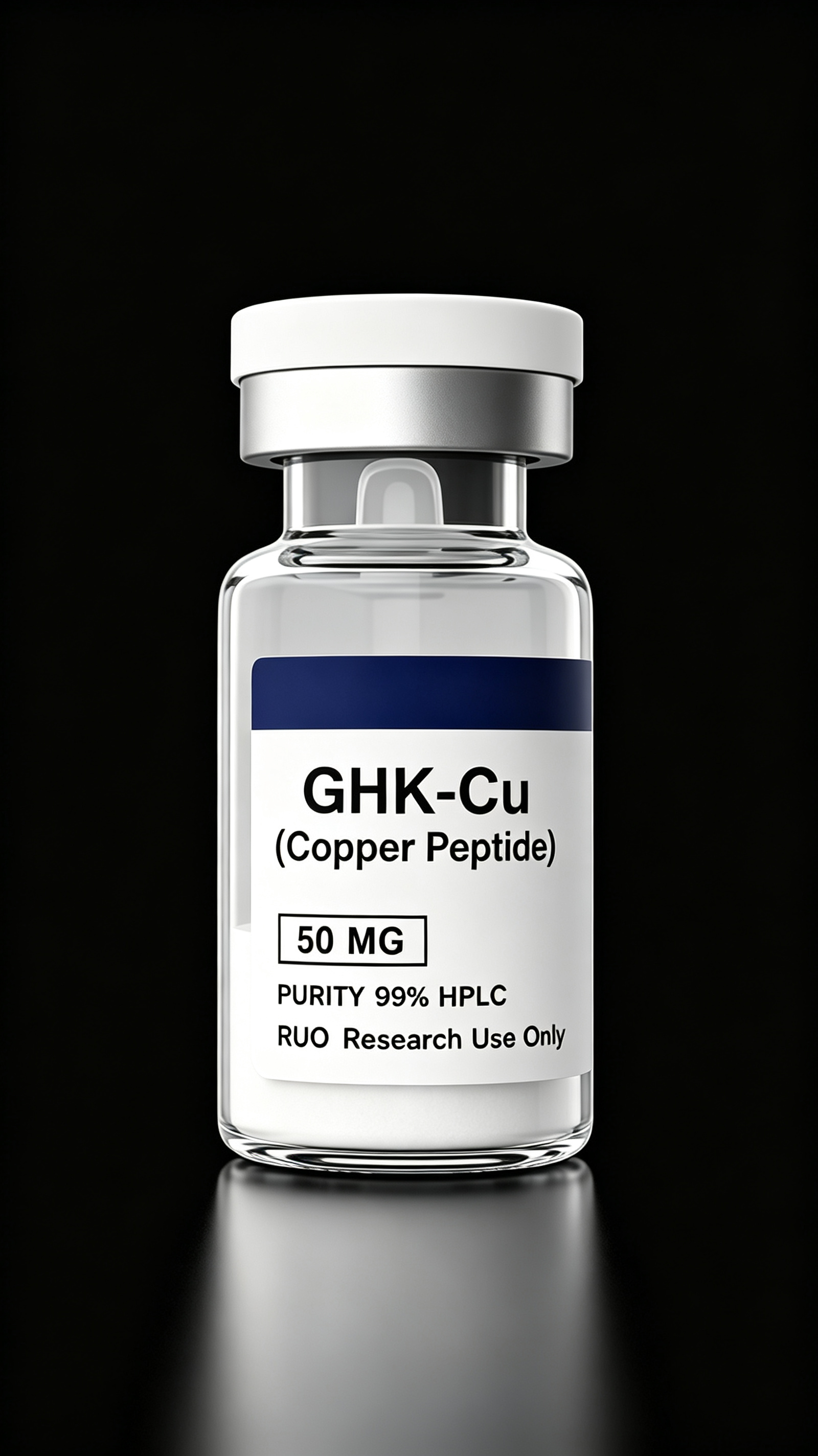
Sequências de estudo tecidual
Complexo tripeptídeo quelante de cobre fornecido com verificação de quelação para estudos dérmicos e cosméticos cruzados.
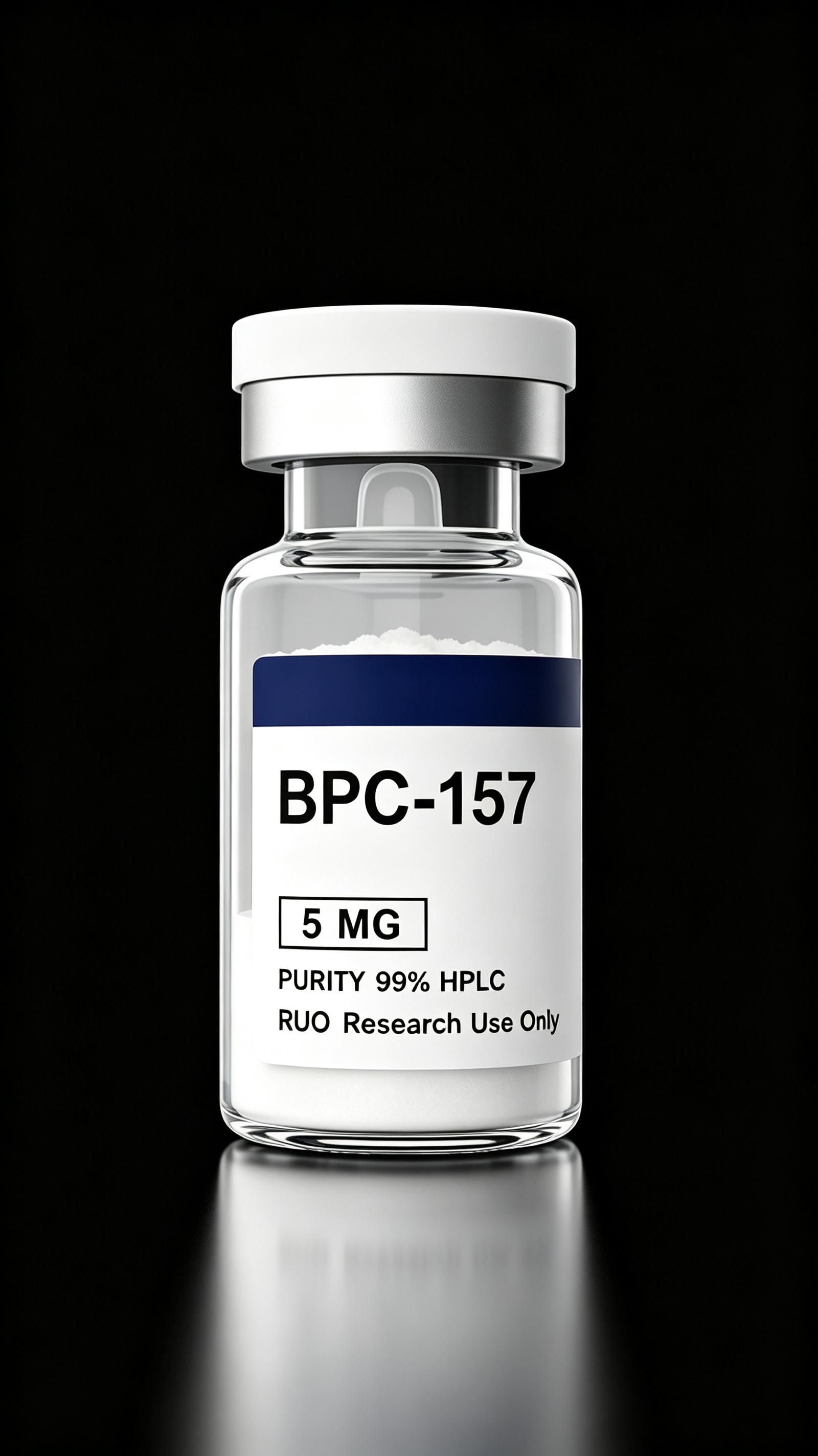
Sequências de estudo tecidual
Pentadecapeptídeo de proteção corporal sintetizado sob rigoroso controle de endotoxinas para programas de pesquisa de tecido.
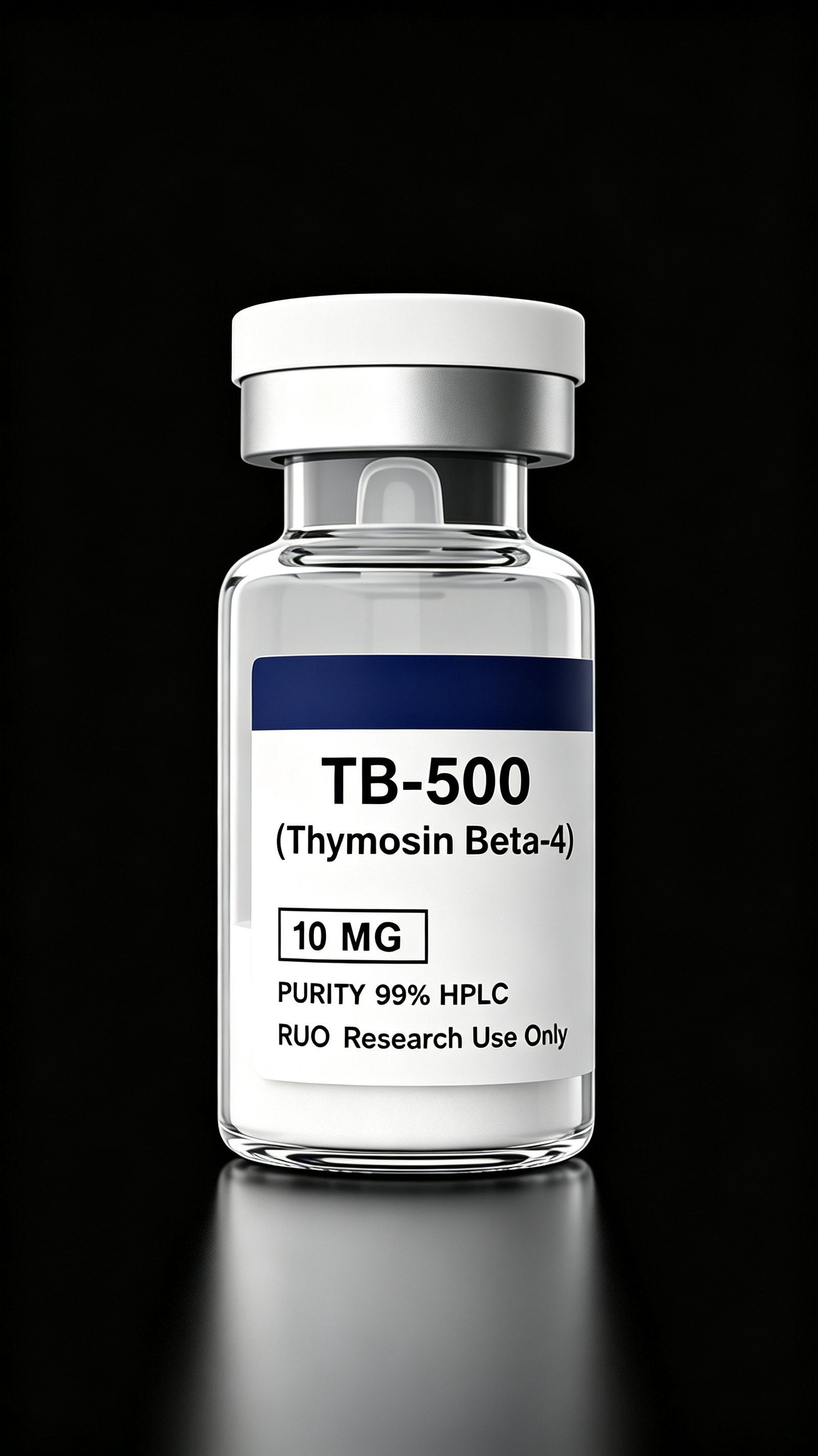
Sequências de estudo tecidual
Fragmento peptídico de ligação à actina estudado em modelos de migração celular em ambientes de pesquisa pré-clínica.
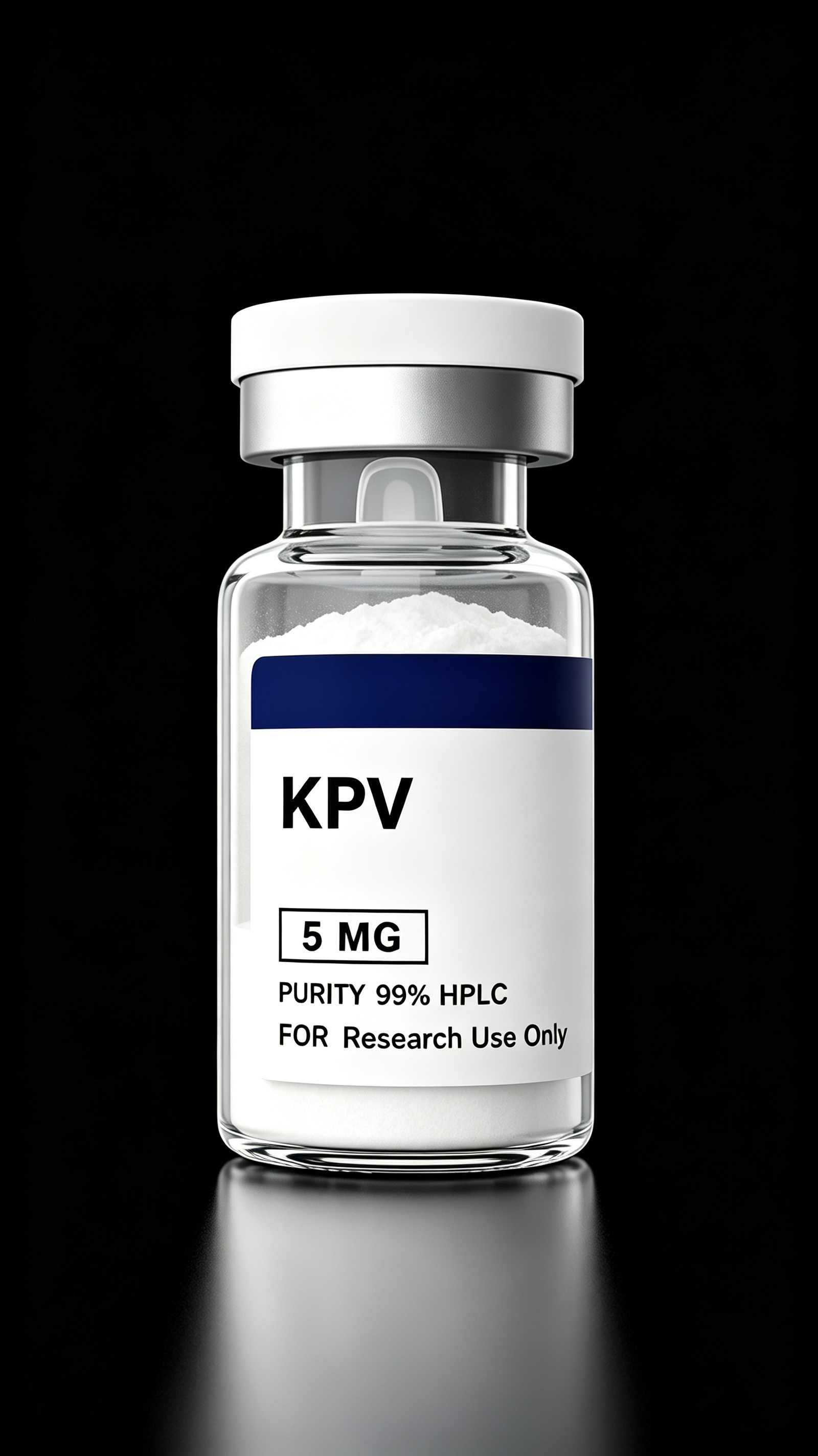
Sequências de estudo tecidual
Fragmento tripeptídeo de alfa-MSH com atividade anti-inflamatória documentada em modelos de pesquisa dermatológica e intestinal.
GLOW-style research blends typically combine copper-peptide and tissue-study sequences — most commonly GHK-Cu with BPC-157 and TB-500 related motifs — into a single SKU for protocol convenience. Some catalogs also include KPV, a short anti-inflammatory motif peptide, in combination formulas. The value of a blend SKU is batch consistency: one lot number covers a fixed component set with a documented ratio, which simplifies multi-peptide protocols.
The analytical caveat is equally important: a blend CoA must state the identity and purity of every component, not just the total peptide content. Buyers should verify that each sequence in the blend is individually characterized and that the ratio matches the product label before designing experiments around it.
Peptide stacking in research settings refers to the deliberate combination of multiple peptides in one experimental design. The documentation-first approach treats the stack as a formal protocol: record each sequence and lot, the vehicle and concentration assumptions, the reconstitution timeline, and the specific endpoints each component is expected to address. This is what separates reproducible laboratory practice from social-media stack narratives.
For procurement, a stack SKU reduces the number of lots to track and can simplify stability documentation, but it also removes the flexibility to vary individual component ratios. Research teams that need dose-response control over each peptide should source individual constructs instead.
KPV (Lys-Pro-Val) is a short tripeptide investigated in preclinical inflammatory-pathway models and frequently discussed as a combination candidate alongside longer research peptides. Because it is a minimal sequence, its analytical profile (identity, purity, and endotoxin considerations for cell work) is straightforward to document on a per-lot CoA.
When KPV appears in a blend SKU, confirm the ratio relative to the other components and whether the blend is lyophilized as a co-lyo (single cake) or a physical mixture, since reconstitution behavior can differ. Helix Peptide's blend documentation states the component ratio and analytical method for each lot.
Artigos que reforçam as palavras-chave da coleção e apontam para este hub.
pesquisa blend ghk cu bpc 157 tb 500
Leitura em nível de componentes de blends no estilo GLOW para aquisição em laboratório.
Artigo em breve
protocolos de pesquisa peptide stacking
Como laboratórios documentam protocolos multipéptido sem depender do hype nas redes.
Artigo em breve
combinação de pesquisa peptídeo kpv
Onde o KPV aparece em discussões de pesquisa combinada e o que verificar no CoA.
Artigo em breve
Em catálogos de pesquisa, blends no estilo GLOW tipicamente combinam GHK-Cu com sequências relacionadas a BPC-157 e TB-500 em um único SKU por conveniência de protocolo. Sempre verifique a identidade e a pureza de cada componente no CoA do blend.
Peça amostras de CoA, embalagens e prazos para os SKUs desta coleção.